Crete, Greece
Minoan shadows, Samaria steps, and Libyan Sea blue: Crete is Greece’s largest island story, where gorge hikes, ferry hops, and raki evenings reward travelers who respect mountain roads and late taverna starts.
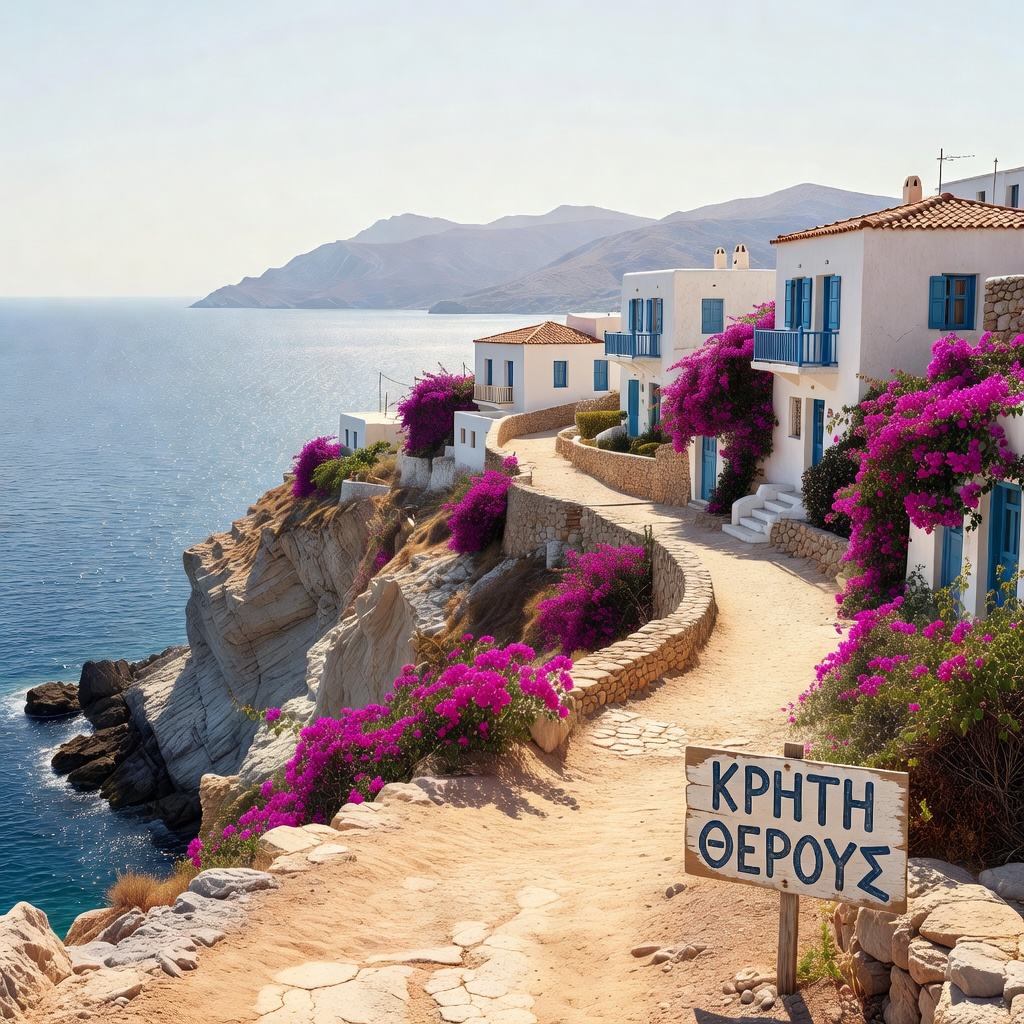
Crete is large enough to break a careless itinerary and generous enough to forgive one if you lean into ferries, mountain minutes, and taverna clocks that ignore yours. Knossos and Chania’s Venetian harbour share an island with Elafonisi’s blush of sand, Samaria’s knee conversation, and Balos chop that looks effortless only from the cliff. Go with people who know which bus chain reaches Agia Roumeli after the gorge and which kitchen still pours raki on the house. Line up Chania or Heraklion arrivals, ferry deck times the whole party can see, and guesthouse pins at the bottom of stairs GPS underestimates—Byline—so Libyan Sea blue stays the point, not a missed last boat.
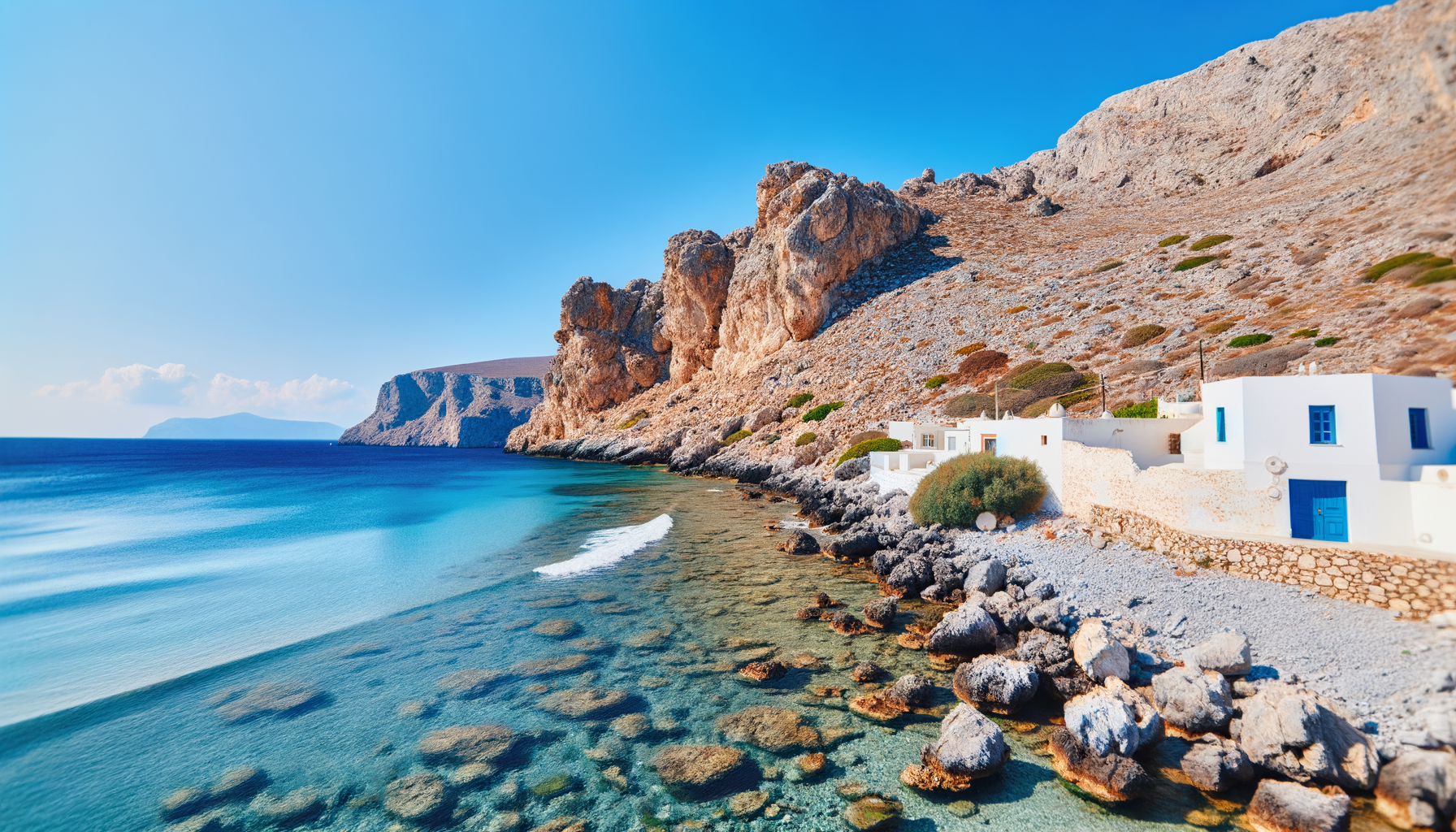
Three days in Crete
Day 1 — Knossos while the heat is kind, or Chania’s harbour when the light turns long
If Heraklion is home, begin at Knossos with an archaeologist-led visit while temperatures still behave, then cool in the museum where frescoes finally make sense of the stones. If Chania is yours, let the old harbour unfold on foot before wine country or a sunset table where the wine arrives before the story ends. Heat-slot tickets and your taverna name in one place keep you from standing in the wrong alley at nine.
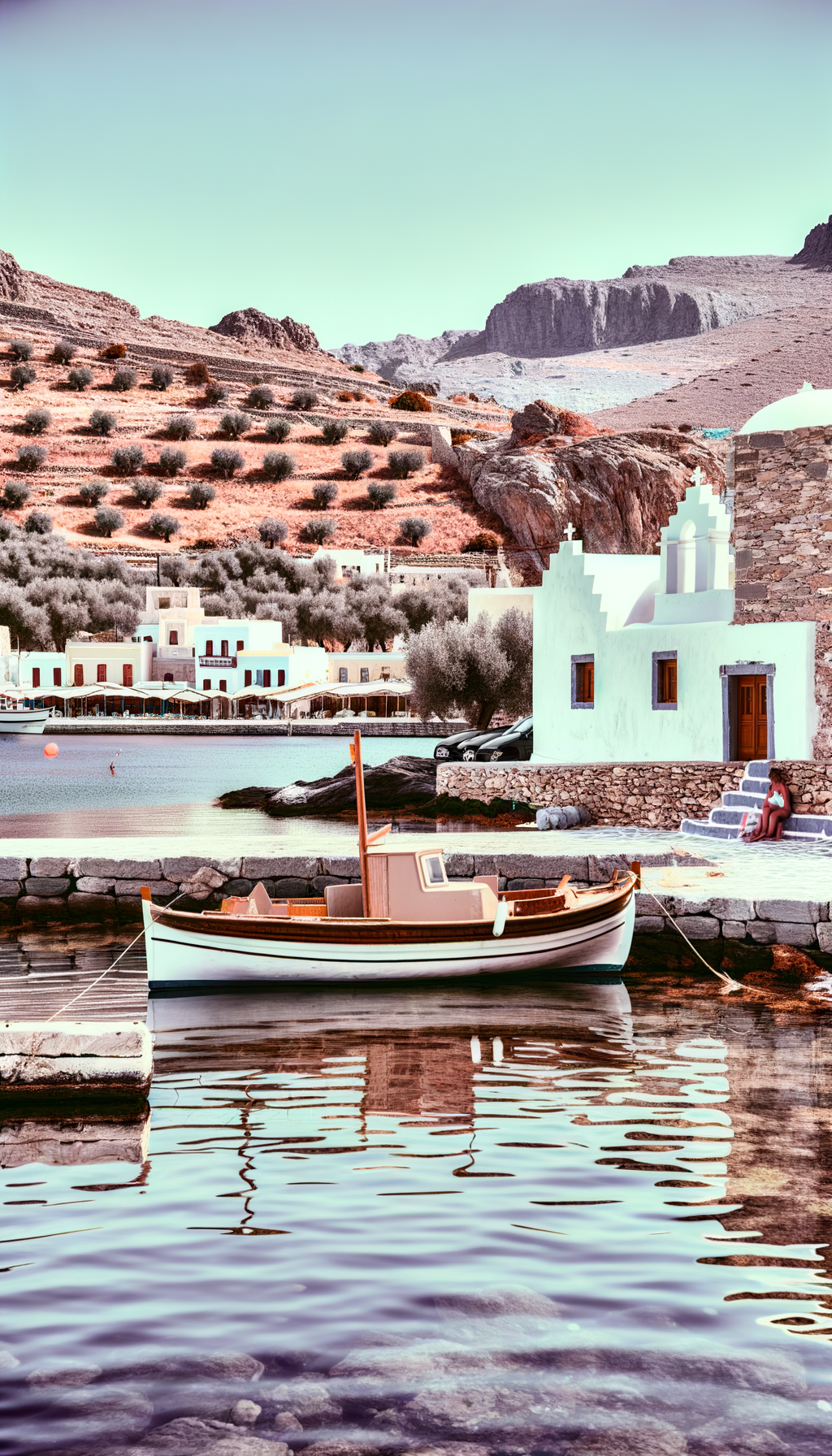
Day 2 — Samaria’s early bus and boat meet, or Balos by sea when knees prefer chop to descent
Samaria is an early bus, closed shoes, and a ferry name from Agia Roumeli that your operator confirms in writing—pin deck time so you are not bargaining on a hot quay. Balos by boat trades vertical pain for wind, chop, and photographs that lie politely from shore. Dry bags and patience with weather windows separate a good day from a long one.
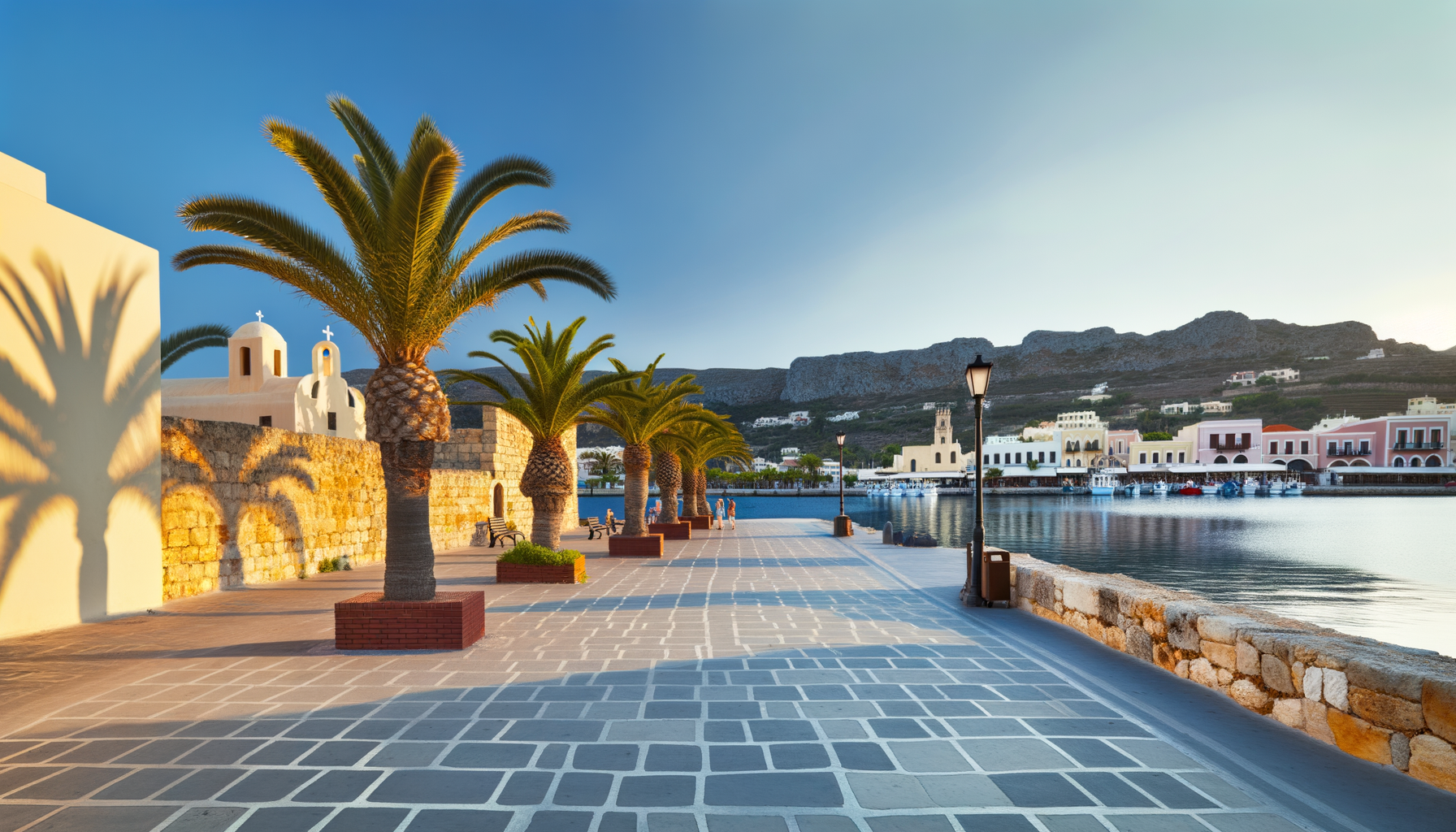
Day 3 — South-coast coves or an olive-road day that doubles your map’s estimate
Matala caves or Preveli palms ask for mountain minutes you should double before you promise sunset elsewhere. A local driver who knows where to pause for raki and views is money well spent. Let the final taverna vote live beside the group chat before anyone opens a second booking app.
Packing list
Mediterranean · Mild winters / hot dry summers · 9 items
9 items
| Item | Qty | Why | Shop | |
|---|---|---|---|---|
| Light wrap for monasteries | 1 | Clothing | Mountain chapels — knees and shoulders matter. | |
| Linen or breathable tops (×4) | 1 | Clothing | July heat inland — coastal breeze helps but sun is serious. | |
| Swimwear + cover-up | 1 | Clothing | South-coast coves — wind picks up afternoons. | |
| Hiking shoes + strap sandals | 1 | Footwear | Samaria gorge and pebble beaches — one pair rarely does both. | |
| Dry bag for boat days | 1 | Gear | Ferry spray and SUP rentals — dry phones or regret. | |
| Reusable water bottle | 1 | Gear | Gorge hikes — refill when taps appear. | |
| Reef-safe sunscreen SPF 50+ | 1 | Toiletries | Clear Cretan water — UV reflects hard. | |
| EUR cash + cards | 1 | Essentials | Village tavernas — cash still wins; cards in Chania and Heraklion. | |
| Passport + Schengen compliance | 1 | Essentials | Greece is in the Schengen Area — ferry hops still count toward 90/180 days. |
Luggage
Carry-on
Sunglasses + sunscreen in carry-on if checking
Checked
Soft bag; leave room for olive oil or raki
~14–18 kg
Greece (Schengen Area)
Visa-FreeRequired documents
- Passport valid at least 3 months beyond planned departure from Schengen
- Proof of onward travel may be requested
- Travel medical insurance (€30k+) recommended for visa-exempt stays
- Schengen days count across participating countries on the same trip.
- Stamps on first entry — keep boarding passes if asked about itinerary.
Document Checklist
- Photocopy of passport, separate from the original.
- Encrypted scans in cloud storage + one offline copy on your phone.
- Insurance policy number available offline.
- Hotel confirmations exported as PDF or screenshots.
How Byline untangles the logistics
Chania, Heraklion, and Sitia serve different arcs. Stack ferry ports, hire-car scratch policies, and hotel pins in one timeline. Schengen days count; ferry stamps matter. Keep boarding passes where they can be produced without drama.
The island between the plans
Greek is the music; euros are universal. Tipping rounds up in tavernas when the night was warm. Mountain roads belong to locals who know the line—let faster traffic pass.
Before you go
Schengen rules and ferry schedules change; verify before you lock hotels. When gorge buses, boat decks, and late taverna starts share one thread, Crete feels like Libyan Sea light, not a missed last ferry.
Byline: Save ferry deck times and guesthouse gate codes where everyone sees them. Chania alleys do not wait for lost groups.