
This is the essential orientation to Mexico’s pre-Hispanic civilizations, with objects and galleries substantial enough to reward a focused plan rather than a rushed lap. Start with the Mexica/Aztec and Maya rooms, then use Chapultepec for the rest of the day.
3h Walk upArrive at opening on a weekday; the central galleries become congested by late morning.
Pairs with: Bosque de Chapultepec · Chapultepec Castle · Parque Gandhi

The excavated sacred precinct of Tenochtitlan makes the layered logic of Mexico City immediately visible: Aztec ruins sit beside the colonial cathedral. Visit the outdoor archaeological site and museum together, then walk the Zócalo rather than treating it as a stand-alone museum stop.
2h Walk upWeekday mornings are quieter and cooler for the exposed ruins.
Pairs with: Mexico City Metropolitan Cathedral · Palacio Nacional · Casa de los Azulejos

Bellas Artes is the city’s indispensable art-and-architecture stop: its exterior is a landmark, while the interior holds major Rivera, Orozco and Siqueiros murals. Combine the building visit with the adjacent Alameda and, if schedules align, an evening performance.
1.5h Walk upVisit near opening for the murals; performance tickets should be booked ahead for popular dates.
Pairs with: Alameda Central · Diego Rivera Mural Museum · Latin American Tower Viewpoint

The former imperial residence and national-history museum provides period rooms, major historical context and some of the city’s best elevated views. It turns Chapultepec from a park stop into a full half-day and is more rewarding than trying to cover every museum nearby.
2h Walk upReach the gate at opening; the uphill approach and rooms are much more pleasant before midday.
Pairs with: Museo Nacional de Antropología · Bosque de Chapultepec · Chapultepec Zoo

A trajinera ride through the surviving chinampa canals is Mexico City’s most distinctive outdoor experience, especially when approached as a living agricultural landscape rather than a floating party. Negotiate a clearly priced boat and duration at an official embarcadero, then combine it with a slower Coyoacán day if time allows.
2.5h Walk upWeekday mornings are calmer and more scenic; weekends are livelier but can be noisy and traffic-heavy on the water.
Pairs with: Frida Kahlo Museum

The vast pre-Hispanic city of Teotihuacan is the essential day trip from Mexico City and gives scale and context that urban museums cannot. Start early, focus on the Avenue of the Dead and major compounds, and plan transport carefully because it is outside the city proper.
4h Walk upArrive at the opening hour to beat heat, tour buses and the exposed-site midday sun.

The observation deck gives the most useful quick read of the historic center’s density, mountains and earthquake-era skyline. It is best used as a short stop before or after the Bellas Artes/Alameda circuit rather than as a destination on its own.
45m Walk upGo near opening for clearer views and shorter elevator lines; sunset is attractive but busiest.
Pairs with: Palacio de Bellas Artes · Alameda Central · Casa de los Azulejos

The cathedral is a major colonial counterpoint to the Templo Mayor and an unusually vivid example of the city’s uneven, sinking ground. Pop in during a historic-center walk, but allow extra time only if you are interested in its chapels and architecture.
40m FreeVisit early in the day or between services; dress and behave appropriately during worship.
Pairs with: Templo Mayor Museum · Palacio Nacional · Casa de los Azulejos

This compact historic park is the useful pedestrian hinge between Bellas Artes, the Torre Latinoamericana and the western edge of Centro Histórico. Treat it as a stroll and people-watching break, not a long park visit.
30m FreeCome in daylight, ideally morning or late afternoon, rather than lingering after dark.
Pairs with: Palacio de Bellas Artes · Latin American Tower Viewpoint · Diego Rivera Mural Museum

The enormous urban forest is where several of the city’s best sights naturally join up, and it provides needed breathing room between museum visits. Do not try to cover every section; choose the Anthropology Museum, castle and a relaxed walk or lake-side pause.
2h FreeSunday is especially busy with local families; weekday mornings are far more relaxed.
Pairs with: Museo Nacional de Antropología · Chapultepec Castle · Parque Gandhi

Casa Azul is an intimate, highly personal lens on Frida Kahlo and Diego Rivera, and its real strength is pairing it with a walk through Coyoacán. The small rooms move quickly, so do not expect a comprehensive survey of Kahlo’s work.
1.3h Sells out — book weeks aheadBook the first timed slot of the day, especially on weekends.
Reserve a timed ticket several weeks ahead for weekends and busy travel periods; same-day entry is unreliable.
Pairs with: Xochimilco Trajineras

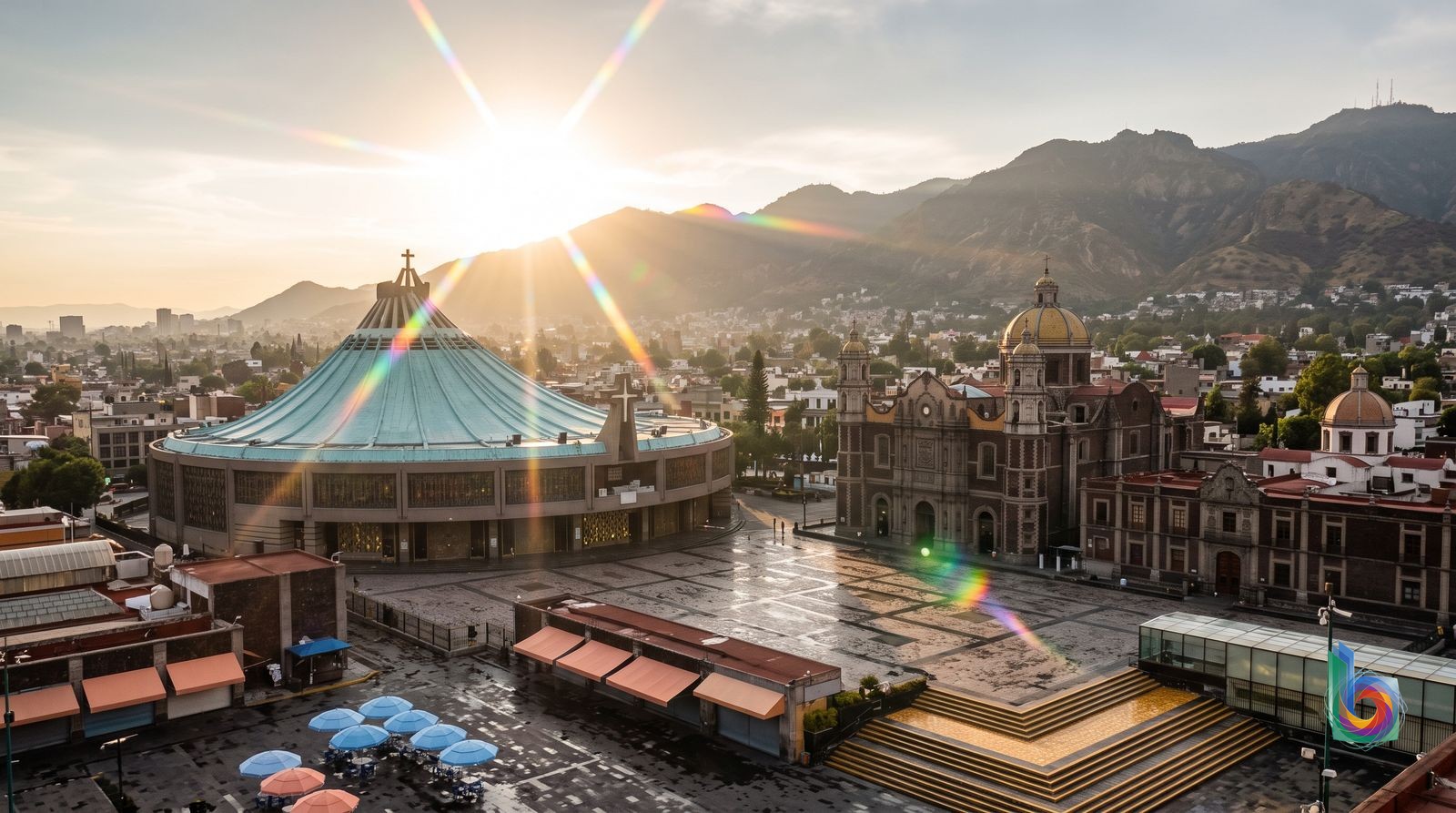
Mexico’s most important Catholic pilgrimage site is culturally revealing even for nonreligious visitors, with the modern basilica, old basilica and hill complex showing several eras at once. Allow time to walk the grounds, and avoid treating it as merely a photo stop.
1.7h FreeUse a weekday morning and avoid December 12 and major feast days, when pilgrimage crowds are immense.

The Ángel is the city’s most recognizable civic monument and the visual anchor of Paseo de la Reforma. It is best experienced while walking Reforma or on the way between Chapultepec and Roma/Condesa, not as a lengthy stop.
20m FreeEarly Sunday morning is ideal when Reforma is often closed to cars for cycling; sunset brings heavier crowds.
Pairs with: Museo Soumaya · Bosque de Chapultepec · Parque Gandhi

This small museum preserves Rivera’s vast Dream of a Sunday Afternoon in Alameda Central, a compact visual primer on Mexican history and cultural figures. It is an efficient add-on after Bellas Artes, particularly for travelers who want more than a glimpse of Rivera’s murals.
45m Walk upGo shortly after opening; the small gallery feels crowded when groups arrive.
Pairs with: Palacio de Bellas Artes · Alameda Central · National Museum of the Revolution
#15Palacio NacionalShouldCentro Historico
The palace’s monumental Diego Rivera murals offer one of the clearest visual narratives of Mexican history, and its Zócalo setting makes it easy to fold into a Centro day. Access procedures can change because it is an active government building, so keep the itinerary flexible.
1h Walk upTry in the morning on a non-holiday weekday, with passport identification in hand in case security requests it.
Pairs with: Templo Mayor Museum · Mexico City Metropolitan Cathedral · Casa de los Azulejos

MUNAL is the strongest complement to the anthropology and mural-focused museums for Mexican art from the colonial era through the early 20th century. Its grand former palace and manageable galleries make it a polished half-day choice for art-minded visitors.
2h Walk upWeekday mornings are best; save it for a quieter alternative to the busiest headline museums.
Pairs with: Palacio de Bellas Artes · Latin American Tower Viewpoint · Casa de los Azulejos

The dramatic silver-clad building and Carlos Slim collection make this an easy, free Polanco detour, especially for European sculpture and eclectic private-collection browsing. It is less foundational than the Anthropology Museum, so use it when you are already in the area.
1.5h FreeWeekday late mornings are the calmest; weekends can feel crowded despite the large galleries.
Pairs with: The Angel of Independence · Bosque de Chapultepec

A small, pleasant green link on the Chapultepec–Polanco edge, useful for breaking up a museum-heavy day. It is not a destination in the same league as Chapultepec itself.
20m FreeWeekday mornings are quietest.
Pairs with: Museo Nacional de Antropología · Bosque de Chapultepec · Museo Soumaya

This flamboyant iron pavilion in Santa María la Ribera is a rewarding local detour and a good reason to explore beyond the polished central circuit. Pair it with neighborhood cafés or the nearby Museo Universitario del Chopo, rather than making it a must-see for a short trip.
25m FreeCome in late afternoon, when the square is lively and the light is better for photographs.
Pairs with: Alameda Central · Diego Rivera Mural Museum

Set beneath the Monumento a la Revolución, this museum gives useful context on the revolution that shaped modern Mexico. It is a worthwhile targeted stop for history-minded visitors, but not a substitute for the Anthropology Museum or Centro’s pre-Hispanic sites.
1.3h Walk upWeekday mornings offer the quietest galleries and elevator access.
Pairs with: Alameda Central · Palacio de Bellas Artes · Diego Rivera Mural Museum

The tiled exterior is one of Centro Histórico’s most photogenic colonial façades and makes an easy stop on the walk between the Zócalo and Bellas Artes. Its value is visual and atmospheric; a few minutes is enough unless you stop for food inside.
20m FreePhotograph it in the morning before the surrounding sidewalks become busy.
Pairs with: Latin American Tower Viewpoint · Palacio de Bellas Artes · Templo Mayor Museum

This is the city’s major theme-park option and can be worthwhile for families or committed coaster fans. It is not a good use of a short first visit centered on Mexico City’s history, museums and neighborhoods.
7h Book aheadGo on a weekday at opening; weekends and school holidays bring the longest ride lines.
Buy online before a weekend or holiday to avoid higher gate pricing and entry queues.

This is a minor civic monument rather than one of Mexico City’s defining sights. See it only if your route already passes it; it does not merit a dedicated cross-city trip.
10m Free

The free zoo is a practical family add-on within Chapultepec, not a reason for most first-time adults to prioritize the park. Choose it over another museum only if children or animal viewing are central to the day.
2h FreeArrive at opening on a weekday; animal activity and paths are both better before midday.
Pairs with: Bosque de Chapultepec · Museo Nacional de Antropología · Chapultepec Castle