
- Pace
- For a first trip of up to a week, use Kyoto City as the main base for the city, Fushimi and Uji, then add an overnight in Amanohashidate if the coast matters to you. Kyoto Station to Amanohashidate takes about two hours, and Ine is roughly another hour by bus, so trying to do both as a casual Kyoto City day trip makes the itinerary fragile. With 9–12 days, use two bases—Kyoto City and Amanohashidate/Miyazu; add Wazuka, Miyama or Kyotango only on a longer trip and preferably with a car or a high tolerance for sparse rural transport.
- When to go
- For a first trip, choose late May, October, or early December: you get workable weather without the full cherry-blossom or peak-maple crush. Spring blossoms (usually late March–early April) and mid-November to early December foliage are spectacular but demand early hotel booking and ruthless early starts in Kyoto City. Summer is punishingly hot in the city but worthwhile for July’s Gion Matsuri or a Kyotango beach stay; winter is best for lower city rates and northern-coast seafood, not for casual mountain driving.
- Daily budget
- ¥25,000–45,000
Kyoto Prefecture is far more than Kyoto City’s temple circuit: it runs from the former imperial capital and the tea country around Uji and Wazuka through Tanba’s forested, rural interior to the fishing villages, sandbars and seafood coast of Tango on the Sea of Japan. The city delivers Japan’s densest concentration of temples, gardens, craft and serious dining; the rest rewards travelers willing to trade convenience for tea fields, thatched hamlets, coastal ryokan and working ports.
Known for
- Kyoto City’s temples, gardens, old districts and former-imperial-capital culture
- Uji tea, tea sweets and the tea-growing hills of Wazuka
- Fushimi sake and Fushimi Inari’s torii-gate mountain trail
- Amanohashidate’s pine-covered sandbar and Ine’s funaya boathouses
- Miyama’s thatched villages and rural Tanba landscapes
- Tango seafood, winter snow crab, beaches and hot-spring ryokan
Where to go
 1
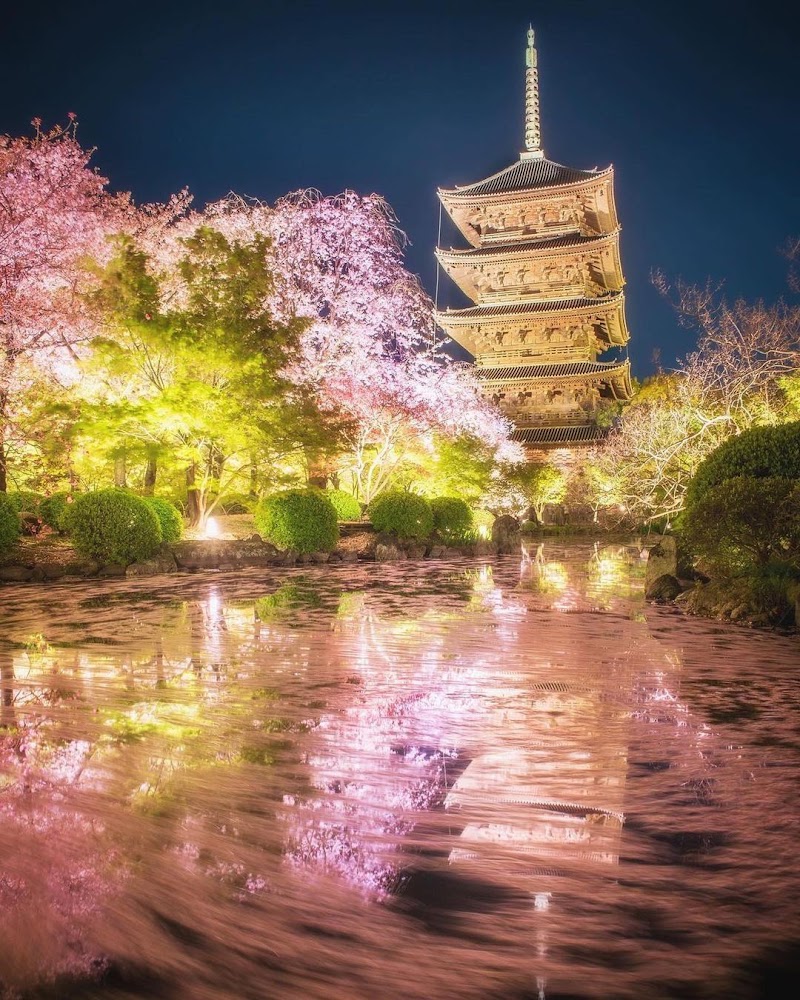
1Base · 3–5 days
Kyoto City
The indispensable former imperial capital: use it for the major temples, gardens, old quarters, markets, crafts and serious dining. Base near a rail or subway line rather than choosing a hotel solely for atmosphere.
first-timersarchitecture and history loversfood travelersdesign and craft shoppers
Explore Kyoto City 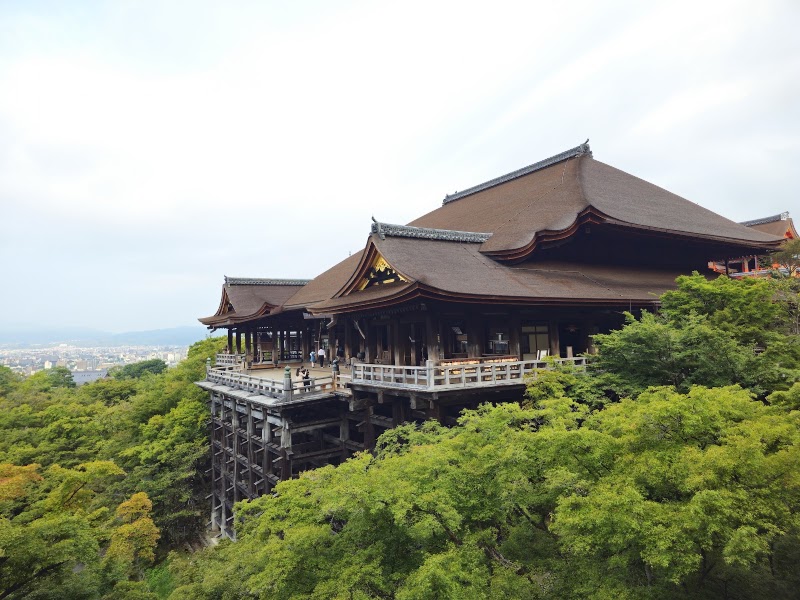 2
2Higashiyama, Gion and Kiyomizu
Eastern Kyoto's essential temple-and-street-scene district: Kiyomizu-dera, Yasaka Pagoda, Kennin-ji, Maruyama Park and Gion all sit within a walkable, steep-laned area. Go at opening time or after dinner; midday crowds flatten the experience.
first-time visitorsphotographerstemple lovers
 3
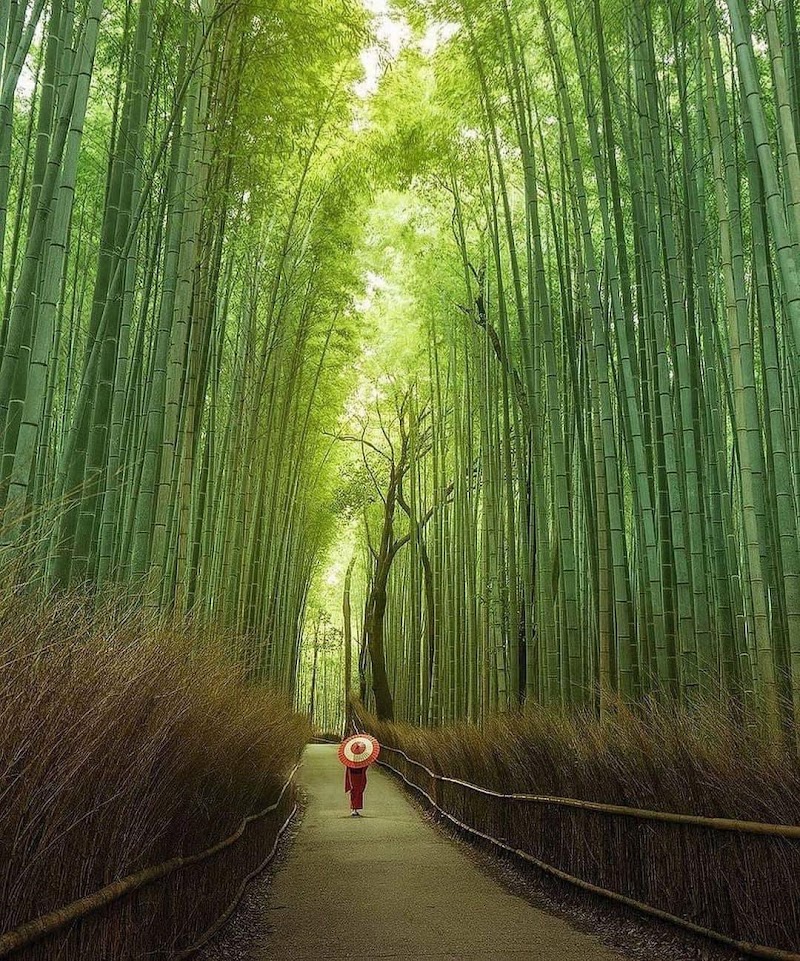
3Arashiyama, Saga and western Kyoto
Kyoto's most accessible temple-and-landscape escape, with Tenryu-ji, the Katsura River and a deeper belt of Saga temples beyond the bamboo grove. Arrive early and treat the bamboo as a starting point, not the whole outing.
short-stay visitorsfamiliesgarden lovers
 4
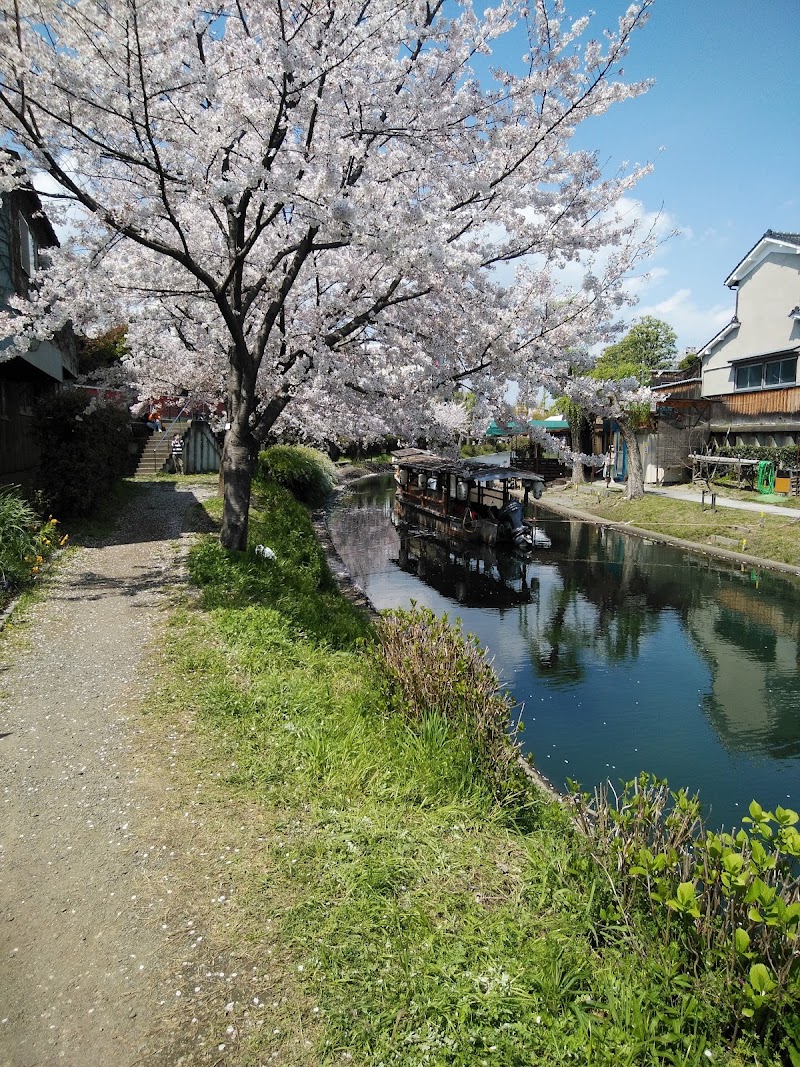
4Fushimi
Come for the full Fushimi Inari mountain walk, then stay for canal-side sake breweries and warehouse districts. It works best as an unhurried half-day, ideally at dawn or late afternoon when the lower torii tunnels are less clogged.
active travelersphotographerssake drinkers
 5
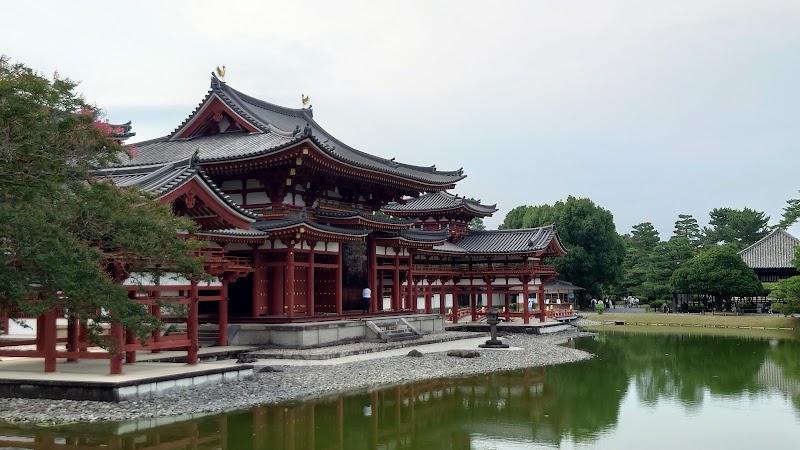
5Uji
Short stop · 1 day
The easiest worthwhile break from Kyoto City: Byodo-in's Phoenix Hall, a handsome river walk and tea shops that are more than souvenir counters. It is a proper half- or full-day trip, not a place most first-timers need to stretch into multiple nights.
tea enthusiastsfamiliesarchitecture lovers
 6
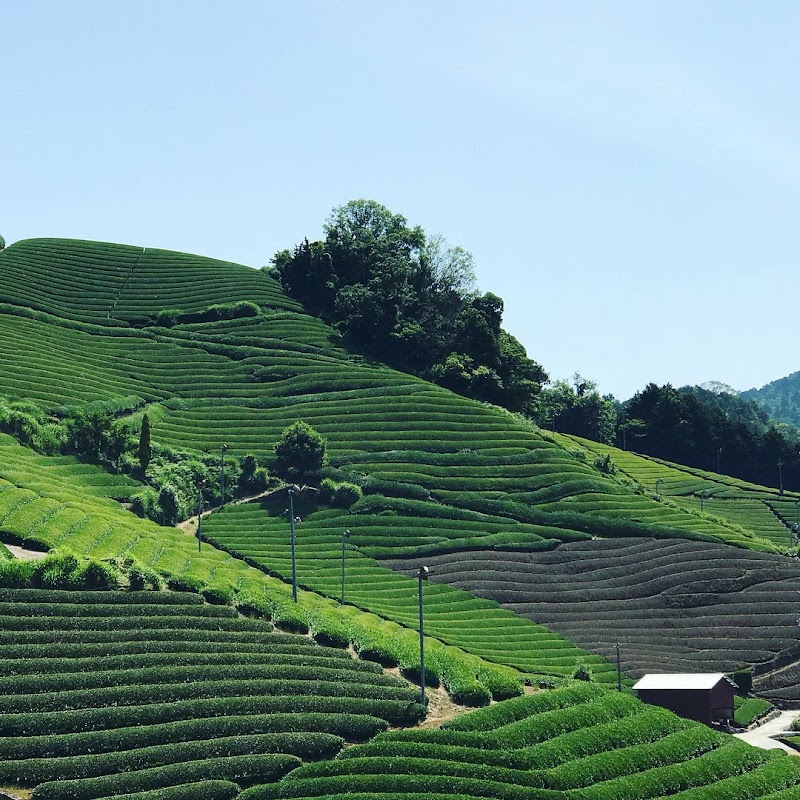
6Wazuka and Kyoto Tea Country
Base · 1–2 days
The rural, working version of Kyoto tea: steep tea fields, growers, tastings and quiet country roads around Wazuka, Ujitawara and Kizugawa. It rewards a planned overnight, bike, tour or car far more than an improvised rail day trip.
repeat visitorscycliststea obsessives
 7
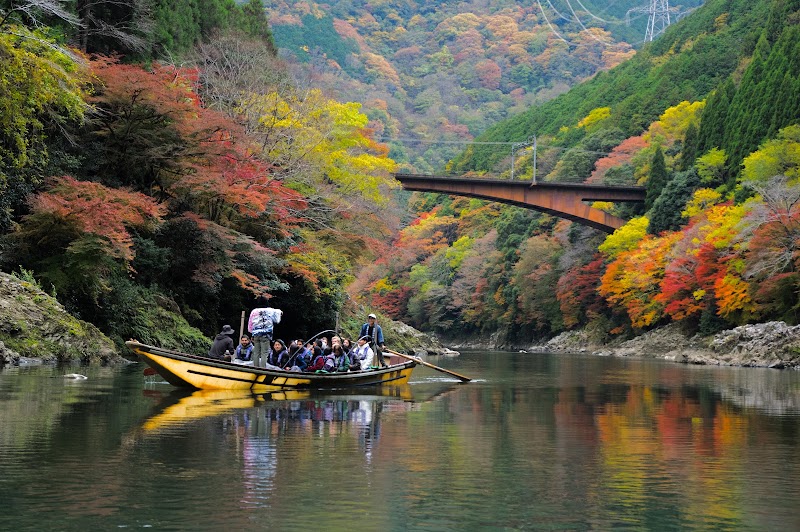
7Kameoka and the Hozugawa Valley
Short stop · 1 day
A rural western gateway best used for the Hozugawa River boat descent through the gorge to Arashiyama, rather than as a sightseeing city in its own right. It is a strong active day if you want scenery without committing to northern Kyoto.
active travelersscenic-day-trip seekersfamilies
 8
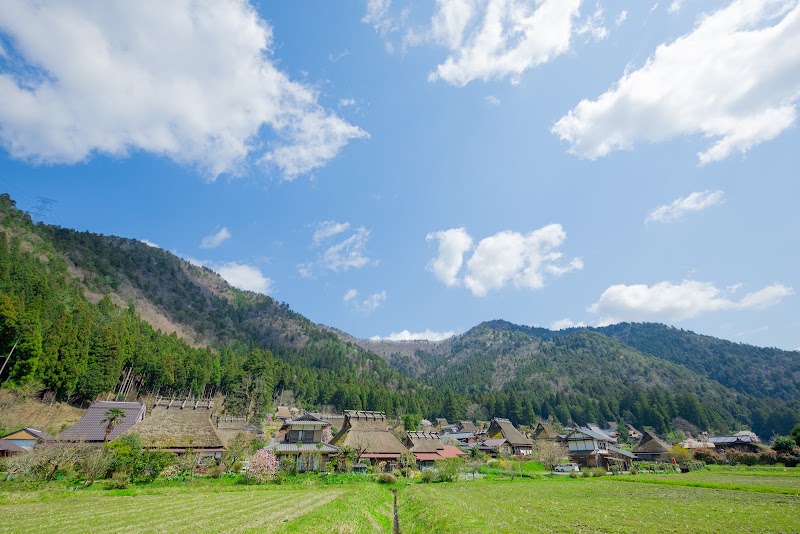
8Miyama and Nantan
Base · 1–2 days
Forested central Kyoto centered on Kayabuki no Sato, the thatched-roof farming settlement. This is the right counterweight to Kyoto City, but it deserves a night or a car rather than a rushed public-transport dash.
rural architecture enthusiastsphotographersfamilies
 9
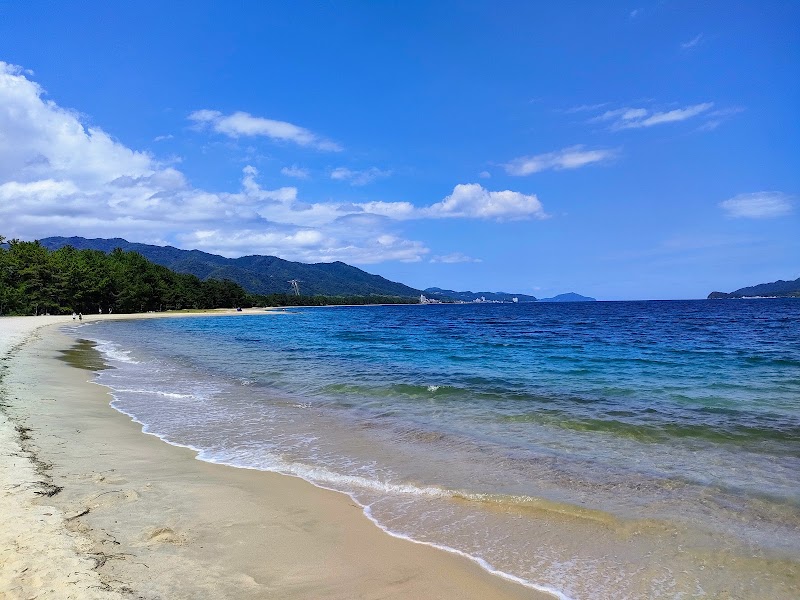
9Amanohashidate and Miyazu
Base · 1–2 days
The best northern-Kyoto base: walk or cycle Amanohashidate's pine sandbar, take the elevated bay views, eat seafood, and sleep in Miyazu rather than forcing a punishing return to Kyoto City. It is also the practical launch point for Ine.
first-time regional explorerscouplesscenic rail travelers
 10
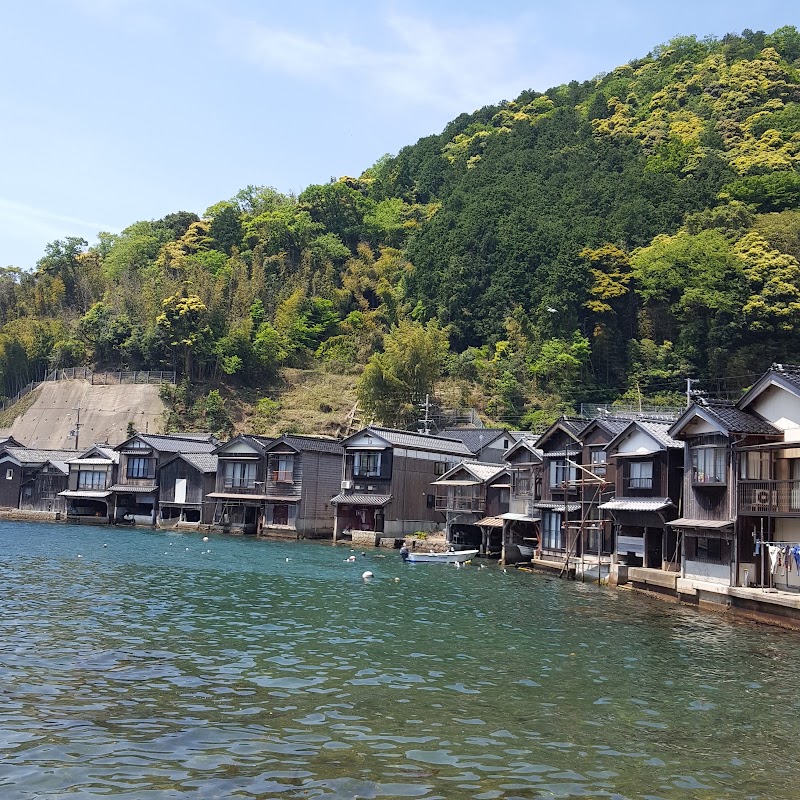
10Ine
Short stop · 1 day
A working fishing village of waterside funaya boathouses, best experienced slowly with a bay cruise, local fish and an overnight in a converted boathouse. It is not a quick add-on: the bus from Amanohashidate takes about an hour each way.
overnight travelersphotographerscouples
 11
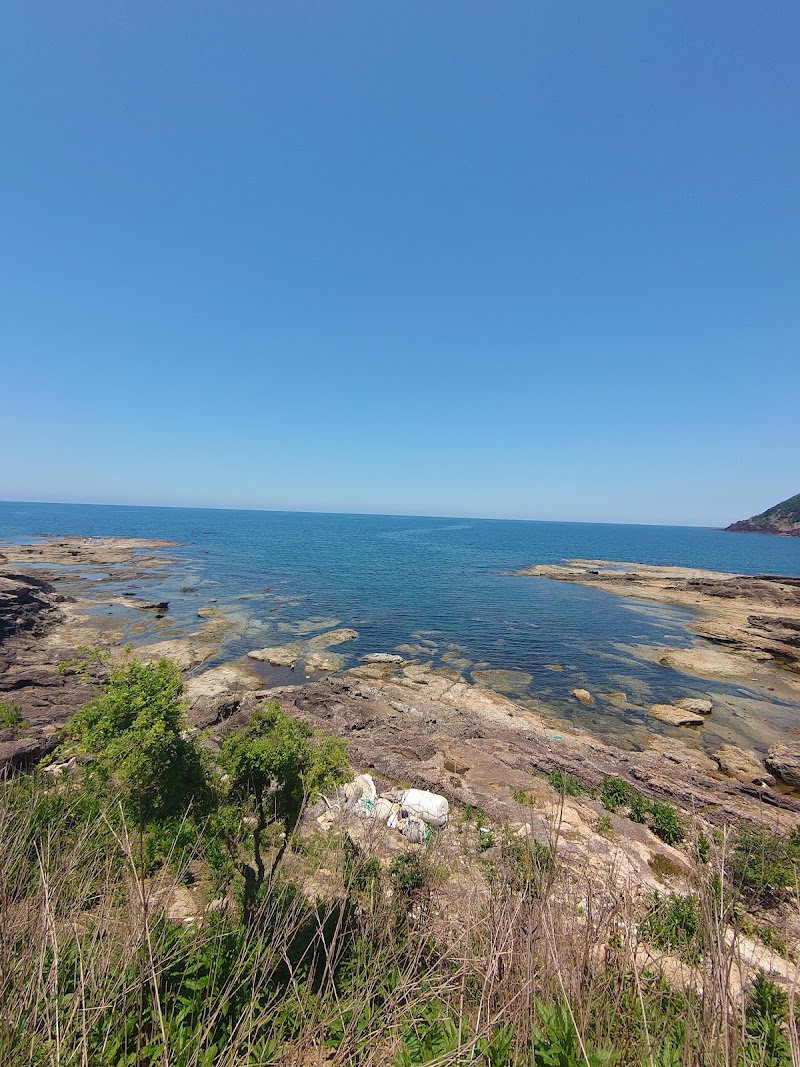
11Kyotango
Base · 1–2 days
A dispersed western Tango coast of beaches, onsen, fishing ports and winter-crab ryokan. Pick a specific beach, inn or meal as your anchor; this is car country, not a place for spontaneous public-transport hopping.
road trippersbeach travelersfood-focused couples
 12
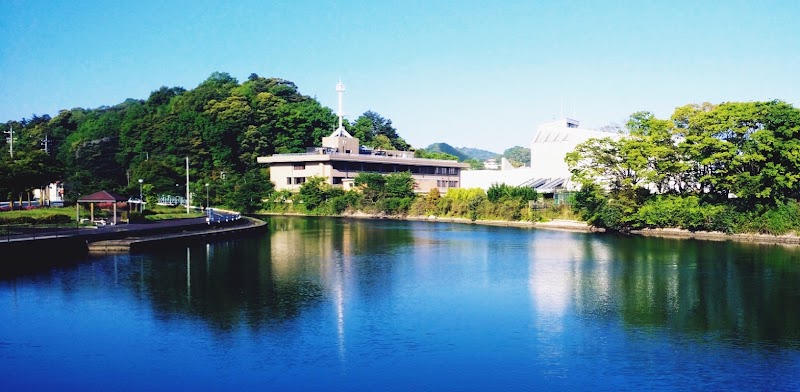
12Maizuru
Short stop · 1 day
A working port with red-brick naval warehouses and maritime history, offering a useful industrial counterpoint to temple Kyoto and fishing-village Tango. Visit for the harbor and brick district, not for a resort-town atmosphere.
naval history enthusiastsarchitecture fanstravelers moving between Kyoto and the coast
Don't miss
1
Kinkaku-ji
Kyoto’s most instantly recognizable temple view is worth seeing despite the crowds; the gold pavilion, pond, and carefully staged approach make a compact, high-impact visit. Go at opening, then use it as the anchor for a northwest Kyoto temple morning.
2
Arashiyama
Arashiyama is a full western-Kyoto outing, not merely the bamboo grove: river scenery, temples, back lanes, and seasonal foliage reward a half-day. Start before the day-trip crowds and move beyond the bridge area quickly.
3
Fushimi Inari Taisha
The vermilion torii tunnels climbing Inari mountain are one of Japan’s essential first-time experiences, and walking beyond the first crowded section changes the experience entirely. Plan for at least the Yotsutsuji viewpoint rather than stopping after the first photo-worthy gates.
4
Ginkaku-ji
The so-called Silver Pavilion is less about a shiny building than a refined garden sequence and the aesthetic of restrained Higashiyama culture. It is the natural start or finish for a Philosophers’ Path-style eastern Kyoto walk.
5
Kiyomizu-dera
The great wooden stage and panoramic city view make Kiyomizu-dera one of Kyoto’s defining temples, while its approach anchors the most evocative part of Higashiyama. Give it an early slot, then walk downhill through Sannenzaka and Ninenzaka rather than retracing your steps.
6
Nijo Castle
The Tokugawa shoguns’ Kyoto castle adds a crucial political counterpoint to the city’s temples and shrines, with Ninomaru Palace interiors and famous “nightingale” floors. It is one of the clearest places to understand how Kyoto remained a seat of power in the Edo period.
Getting your bearings
Numbers match the places above; small dots are the headline sights.
The mental map
Think of the prefecture in four bands: Kyoto City and its western fringe; the southern tea-and-sake country of Fushimi, Uji and Wazuka; the central Tanba/Miyama mountains; and northern Tango on the Sea of Japan, including Amanohashidate, Ine, Kyotango and Maizuru. The mountains are a real divide, not a line on a map: the south is rail-connected and easy to use from Kyoto City, while the north is slower, snowier in winter and much more dependent on careful bus planning or a car.
When to go
For a first trip, choose late May, October, or early December: you get workable weather without the full cherry-blossom or peak-maple crush. Spring blossoms (usually late March–early April) and mid-November to early December foliage are spectacular but demand early hotel booking and ruthless early starts in Kyoto City. Summer is punishingly hot in the city but worthwhile for July’s Gion Matsuri or a Kyotango beach stay; winter is best for lower city rates and northern-coast seafood, not for casual mountain driving.
Pacing a visit
For a first trip of up to a week, use Kyoto City as the main base for the city, Fushimi and Uji, then add an overnight in Amanohashidate if the coast matters to you. Kyoto Station to Amanohashidate takes about two hours, and Ine is roughly another hour by bus, so trying to do both as a casual Kyoto City day trip makes the itinerary fragile. With 9–12 days, use two bases—Kyoto City and Amanohashidate/Miyazu; add Wazuka, Miyama or Kyotango only on a longer trip and preferably with a car or a high tolerance for sparse rural transport.
Book before you land
Gion Matsuri paid float-procession seats (July 17 and July 24), if you specifically want reserved viewing · Saiho-ji (Kokedera/Moss Temple) visit reservation · Hozugawa River Boat Ride, especially weekends, holidays and peak foliage dates
Getting in
KIXKansai International Airport, Osaka
The main long-haul gateway for Kyoto. Take the JR Haruka limited express direct to Kyoto Station (roughly 75–90 minutes), or use airport buses if your hotel is better served from Osaka.
Flights and transfers into OsakaITMOsaka Itami Airport
The most convenient airport for domestic arrivals. Limousine buses run to Kyoto Station in roughly 50–60 minutes; it has no international long-haul service.
Flights and transfers into OsakaKyoto Station
The essential rail hub for the prefecture: Shinkansen arrivals from Tokyo, Nagoya, Hiroshima and Hakata; JR and private rail for Uji, Fushimi, Arashiyama and Osaka. It is also the practical departure point for limited expresses toward Amanohashidate.
Flights and transfers into KyotoAmanohashidate Station / Miyazu
Northern Kyoto’s useful rail-and-bus gateway, reached in about two hours from Kyoto Station. Base here rather than attempting Amanohashidate and Ine as fragile day trips from Kyoto City.
Before you go
Questions worth settling
How many days do I need for Kyoto Prefecture?
Allow 3–4 days for a first visit focused on Kyoto City, Fushimi and Uji. Add an overnight in Amanohashidate or Miyazu if you want the Tango coast; with 9–12 days, use two bases and consider Wazuka, Miyama or Kyotango.
Where should I base myself?
Base in Kyoto City near Kyoto Station, Karasuma-Oike, Shijo-Karasuma, Sanjo or Kawaramachi for the city, Fushimi, Uji and Arashiyama. For Amanohashidate, Ine and the northern coast, stay in Amanohashidate or Miyazu rather than returning to Kyoto City.
Can I combine Kyoto City with Uji, Fushimi, Amanohashidate and Ine?
Uji and Fushimi are easy from Kyoto City: give Fushimi an unhurried half-day and Uji a half or full day. Amanohashidate is about two hours from Kyoto Station and Ine is roughly another hour by bus, so combine those two with a northern overnight rather than attempting them as casual Kyoto City day trips.
Do I need a visa to visit Kyoto and Japan?
Holders of many passports, including US, Canadian, UK, EU, Australian and New Zealand passports, are generally visa-exempt for short tourist stays; other nationalities may need a visa or eVisa. Check Japan’s Ministry of Foreign Affairs before booking, and travel with a valid passport plus onward-travel and accommodation details.
Do I need a car to get around Kyoto Prefecture?
No car is needed for Kyoto City, Fushimi, Uji or Arashiyama, where trains and subways are the best default and buses can be slow and crowded. A car is strongly preferable for Wazuka, Miyama and dispersed Kyotango, while Amanohashidate/Miyazu works well without one; avoid northern winter driving unless you are confident in snow conditions.
When is the best time to visit?
Late May, October and early December are the best all-round choices for workable weather and fewer crowds than peak blossom or maple periods. Cherry blossoms usually run from late March to early April and foliage from mid-November into early December, but both require early hotel booking and very early starts in Kyoto City.
What should I book ahead?
Book Kyoto City hotels early for blossom season, Gion Matsuri in July, and peak autumn foliage; reserve northern coastal ryokan early for winter crab season. Specific advance bookings are worthwhile for Saiho-ji (Kokedera/Moss Temple), the Hozugawa River Boat Ride on busy dates, and paid Gion Matsuri float-procession seats if reserved viewing matters to you.
Known for
- Kyoto City’s temples, gardens, old districts and former-imperial-capital culture
- Uji tea, tea sweets and the tea-growing hills of Wazuka
- Fushimi sake and Fushimi Inari’s torii-gate mountain trail
- Amanohashidate’s pine-covered sandbar and Ine’s funaya boathouses
- Miyama’s thatched villages and rural Tanba landscapes
- Tango seafood, winter snow crab, beaches and hot-spring ryokan


