
- Pace
- For a first visit, use one mainland base and one island rather than trying to tick off four islands. Split works for 3–4 nights with Trogir, Omiš and Solin as day trips, then add 3–4 nights on Brač or Hvar; add Vis only with 8–10 nights total. Allow real transfer time: Split–Supetar is about 45 minutes by ferry, Split–Hvar Town roughly an hour by fast catamaran, and Split–Vis about 140 minutes; do not casually schedule an island-to-airport connection on flight day.
- When to go
- June is the easiest all-round first-timer month; September is arguably better if warm water matters more than peak ferry frequency. April–May and October suit walking, food and mainland culture, but build slack into island plans. July–August delivers the best swimming and nightlife but also punishing heat, crowded old towns and high prices—especially around Ultra Europe in mid-July.
- Daily budget
- €180–320 in late spring or September; expect the upper end or more in peak season, especially in Hvar Town, Bol and central Split.
Central Dalmatia is a broad, split-personality region centered on Split: a working Adriatic city built into a Roman palace, a chain of islands that range from polished Hvar to low-key Vis, and a limestone hinterland that feels more domestic Croatia than Riviera. Come for the combination rather than any single beach—historic towns, ferry days, stone villages, coves, river canyons, mountain roads and serious local food—but respect the logistics: short distances on a map can mean a ferry timetable, a congested coastal road or a full transfer day.
Known for
- Split’s living Diocletian’s Palace
- Hvar’s harbor, nightlife, vineyards and Stari Grad Plain
- Brač stone, lamb and Zlatni Rat
- Vis, Biševo’s Blue Cave and former military-island character
- Omiš and the Cetina canyon
- The Makarska Riviera beneath Biokovo, plus Sinj’s Alka tournament
Where to go
 1
1Base · 2–4 nights
Split
The essential base: Diocletian’s Palace is still part of the working city rather than a fenced-off ruin, and Split has the county’s best ferry links, food range and car-free day trips. Stay outside the noisiest palace lanes if summer crowds matter.
first-timerscar-free travelersculture travelersfoodies
Explore Split 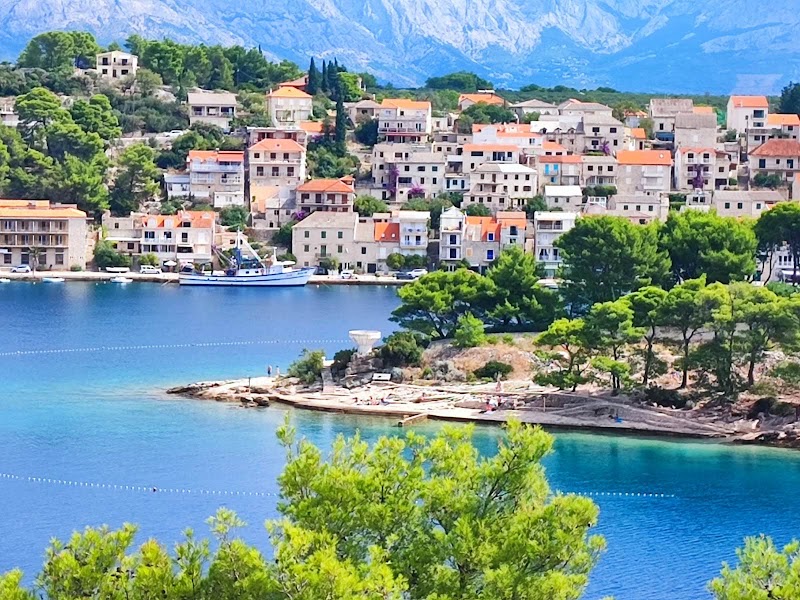 2
2Brač
Base · 3 nights
The most versatile first island: use Supetar for ferry convenience, Milna or Postira for a quieter base, and Bol for Zlatni Rat and wind sports. It rewards a day with a car or scooter for stone villages, lamb, olive oil and Vidova Gora.
first-timersfamiliesbeach travelers
 3
3Hvar
Base · 3–4 nights
Choose Hvar for the broadest island mix: polished Hvar Town and Pakleni boat days, calmer Stari Grad, the ancient plain, and wine-country coves around Jelsa and Sveta Nedjelja. Hvar Town is worth it for atmosphere, but it is expensive and conspicuously busy in high summer.
couplesfriendswine travelers
 4
4Omiš and the Cetina Canyon
This is the active-day detour from Split: river rafting, canyoning, ziplining, climbing and swims beneath dramatic limestone walls. The town is pleasant but small, so come for the Cetina rather than to linger in the old town.
active familiesadventure travelersgroups
 5
5Trogir and Čiovo
Base · 2 nights
Trogir has a compact, unusually coherent medieval core and is the sensible overnight near Split airport; Čiovo adds coves and beach stays across the bridge. It works best for one or two nights, not as the centerpiece of a longer trip.
architecture loverscouplesshort-break travelers
 6
6Vis and Komiža
Base · 3 nights
The far island for travelers who want to slow down: Vis Town is easy and handsome, while Komiža is the more atmospheric base for coves, diving and Biševo’s Blue Cave. Commit at least three nights—the long ferry journey makes a rushed visit pointless.
second-time visitorscouplesdivers
 7
7Makarska Riviera and Biokovo
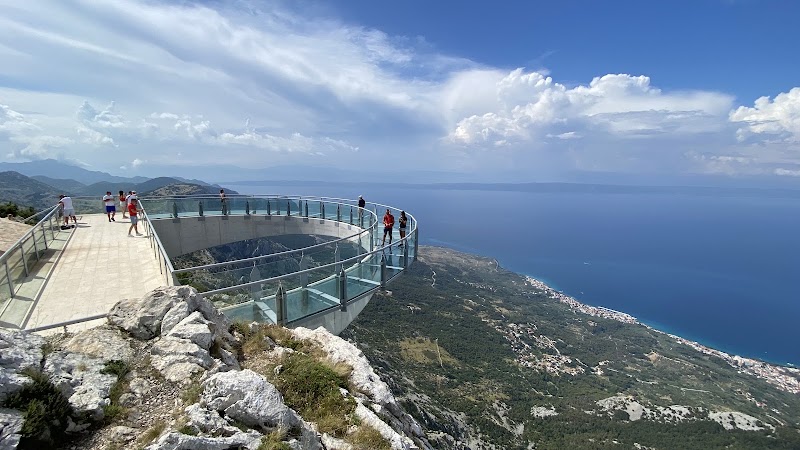
Pick this coast for beach time under huge mountain scenery, with Brela and Baška Voda calmer than Makarska and Tučepi easier for families. Biokovo adds high-altitude drives and the Skywalk, but this is a beach-and-car destination rather than a cultural base.
beach travelersfamiliesroad trippers
 8
8Šolta
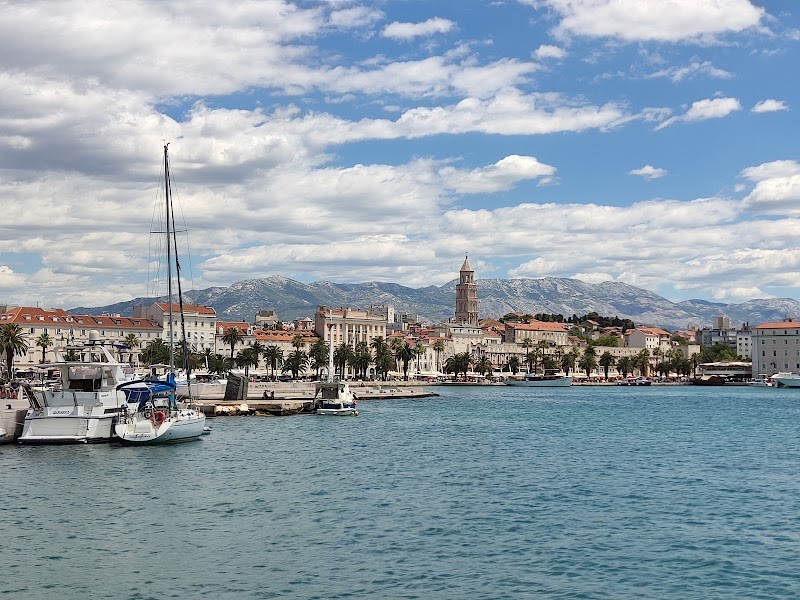
A deliberately low-key island close to Split, best for Maslinica sunsets, Stomorska, quiet coves and local olive oil or honey. There are few headline sights and limited transport, which is precisely the point; rent wheels if you want to explore beyond one village.
couplesrepeat visitorsquiet-stay travelers
 9
9Sinj and the Cetina Hinterland
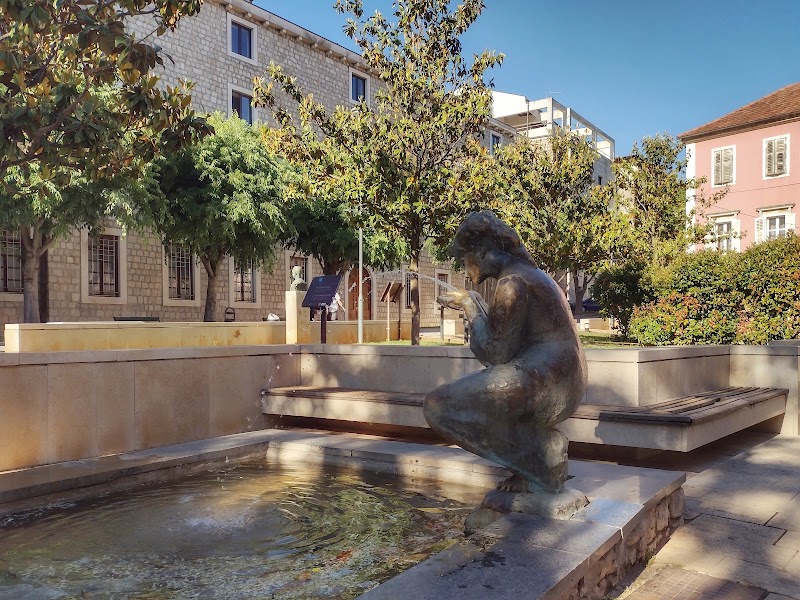
An inland reset from the coast, with horse culture, Alka traditions, smoked meats and cooler evenings. It is best as a half-day or overnight from Split, especially for the August Alka, rather than as a substitute for an island stay.
culture travelersfoodiesfestival travelers
 10
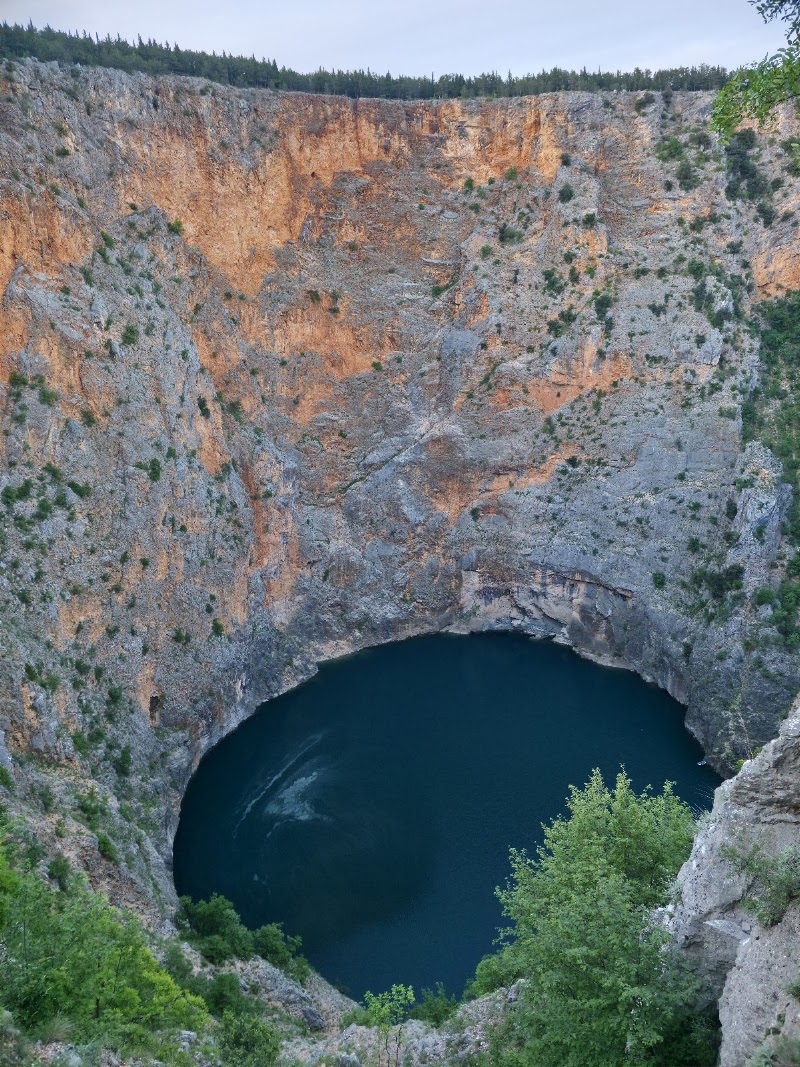
10Imotski and the Karst Lakes
A rougher-edged inland detour for the dramatic Blue and Red Lakes, vineyard scenery and limestone country near the Bosnian border. Go only with a car and enough time to put it ahead of another coast day; it is not a first-trip priority.
driversphotographershikers
Don't miss
1
Marjan Forest Park
Split’s essential escape from the stone lanes: a wooded hill with coves, chapels and broad Adriatic views. Use it for a long walk or bike ride rather than trying to cover every trail; the summit viewpoints are the payoff.
2
Diocletian's Palace
This is not a self-contained palace museum but the living Roman core of Split, with homes, cafés and alleys built into imperial walls. Give it time to wander without an agenda, then return after dark when the day-trip crowds thin out.
3
Saint Domnius Bell Tower
The climb supplies the classic overhead view into Diocletian’s Palace and across Split’s harbor and islands. It is narrow and steep, so treat it as a short, high-impact add-on to the cathedral rather than an activity for anyone uneasy with heights.
4
Split Golden Gate
The grandest surviving approach to Diocletian’s Palace is especially effective from outside the walls, where its scale reads best. Pair it with the statue of Grgur Ninski and use it as the starting point for a walk through the palace.
5
Saint Domnius’ Cathedral
A Roman emperor’s mausoleum repurposed as a cathedral, it is the clearest single expression of Split’s layered history. The interior is compact but consequential; combine it with the bell tower and baptistery rather than treating each as an isolated stop.
6
Diocletian's Cellars
The vast vaulted substructures are the best-preserved part of the palace and reveal the plan of the imperial rooms that once stood above them. Walk through the main passage as part of the palace experience; exhibitions or deeper sections may require a ticket.
Getting your bearings
Numbers match the places above; small dots are the headline sights.
The mental map
Slice the county into coast, islands and inland. The airport-side west runs from Trogir and Kaštela into Split, the transport hub; eastward are Omiš, the Cetina canyon and the beach-heavy Makarska Riviera under Biokovo. Offshore, Šolta and Brač are the easier near islands, while Hvar and especially Vis require more commitment; inland, Sinj and Imotski offer karst landscapes, cooler evenings and a less tourist-shaped rhythm.
When to go
June is the easiest all-round first-timer month; September is arguably better if warm water matters more than peak ferry frequency. April–May and October suit walking, food and mainland culture, but build slack into island plans. July–August delivers the best swimming and nightlife but also punishing heat, crowded old towns and high prices—especially around Ultra Europe in mid-July.
Pacing a visit
For a first visit, use one mainland base and one island rather than trying to tick off four islands. Split works for 3–4 nights with Trogir, Omiš and Solin as day trips, then add 3–4 nights on Brač or Hvar; add Vis only with 8–10 nights total. Allow real transfer time: Split–Supetar is about 45 minutes by ferry, Split–Hvar Town roughly an hour by fast catamaran, and Split–Vis about 140 minutes; do not casually schedule an island-to-airport connection on flight day.
Book before you land
Biokovo Nature Park Skywalk: reserve the timed vehicle-entry ticket in advance, especially in summer. · Sinjska Alka tournament in Sinj, held on the first Sunday in August: obtain tickets well ahead if attending. · Ultra Europe, Split, mid-July: buy festival tickets and secure accommodation before landing; the event distorts regional availability. · Blue Cave / Biševo excursion from Vis or Komiža in peak season: reserve ahead, while accepting that sea conditions can still cancel access.
Getting in
SPUSplit Airport
The main gateway for Central Dalmatia and the obvious arrival airport for Split, the islands and the Makarska coast. It is about 20 km from Split but only about 6 km from Trogir; summer road traffic is bad enough that the airport advises allowing substantial extra time. Do not casually schedule an airport-to-ferry connection on the same day.
Flights and transfers into SplitSplit ferry port
The region’s essential sea hub, beside Split’s bus and rail stations. Use it for regular services to Brač, Hvar, Vis and Šolta; routes, operators and frequencies vary sharply by season, and car ferries do not necessarily arrive where passenger catamarans do.
Flights and transfers into SplitZADZadar Airport
A useful fallback for northern parts of the wider Dalmatian coast or when Split flights are expensive, but it is not a practical gateway for a short Split–islands trip: expect a longer road or bus transfer to Split.
Flights and transfers into ZadarDBVDubrovnik Airport
Useful only when combining Central Dalmatia with Dubrovnik or the far south. It is a long overland transfer from Split, so do not choose it merely because the airfare is cheaper unless your itinerary has enough time.
Flights and transfers into Dubrovnik
Before you go
Questions worth settling
How many days do I need for Split and the islands?
Allow 6–8 nights for a first trip: 3–4 nights in Split for the city, Trogir, Omiš and Solin, then 3–4 nights on Brač or Hvar. Add Vis only if you have 8–10 nights total, and give it at least three nights rather than treating it as a rushed excursion.
Where should I base myself on a first visit?
Use Split as your mainland base: it has the best ferry links, food range and car-free day trips. Then move to one island—Brač is the easiest all-round choice, while Hvar suits travelers prioritizing nightlife, wine and a livelier atmosphere.
Which places combine well, and which should I not try to squeeze together?
Combine Split with Trogir, Omiš and the Cetina Canyon as day trips, then choose Brač or Hvar for a second base. Do not try to tick off several islands in a short stay: Vis is far enough to need a slower itinerary, while Makarska Riviera, Biokovo, Sinj and Imotski work better with a car and extra time.
Do I need a visa for Split and Central Dalmatia?
Croatia is in the Schengen Area. EU/EEA/Swiss citizens can enter with a valid ID or passport, and visitors from the US, UK, Canada, Australia and New Zealand can usually visit visa-free for up to 90 days in any 180-day Schengen period; check current Croatian and Schengen requirements for your passport before booking.
Can I get around without a car?
Yes, if you base in Split and choose one island: ferries and catamarans connect Split with Brač, Hvar, Vis and Šolta, and Split works well for car-free day trips. A car is most useful for exploring Brač, the Makarska–Biokovo coast, Sinj or Imotski, but is a burden in central Split and Hvar Town.
How should I plan ferries and airport transfers?
Treat every island transfer as a travel day: schedules are seasonal, weather-sensitive and operator- and port-specific. Do not rely on a same-day ferry connection to Split Airport; return to Split or Trogir before an early flight, and remember that Hvar car ferries arrive in Stari Grad while passenger catamarans may serve Hvar Town.
When is the best time to visit?
June is the easiest all-round month for a first visit, while September is excellent for warm water with less August intensity. July–August brings the best swimming and nightlife but also heat, crowds and higher prices; April–May and October are better for walking, food and mainland culture, with more uncertainty around island services.
What should I book ahead?
In summer, reserve island accommodation and popular ferry crossings where available, especially for Hvar, Bol on Brač and travel around mid-July’s Ultra Europe. Book Blue Cave excursions from Vis or Komiža in peak season, timed vehicle entry for Biokovo Skywalk, and Sinjska Alka tickets and lodging well ahead if visiting Sinj on the first Sunday in August.
Known for
- Split’s living Diocletian’s Palace
- Hvar’s harbor, nightlife, vineyards and Stari Grad Plain
- Brač stone, lamb and Zlatni Rat
- Vis, Biševo’s Blue Cave and former military-island character
- Omiš and the Cetina canyon
- The Makarska Riviera beneath Biokovo, plus Sinj’s Alka tournament


