
- Pace
- Start with at least one night in Xining at roughly 2,200–2,300m to acclimatize, then commit to one 4–6 day road loop rather than treating Xining as a day-trip base for the whole province. A compact first trip covers Xining/Kumbum, Qinghai Lake and Chaka; add Qilian or Tongren only with more time. Qaidam is a separate 3–5-day extension, not a casual detour.
- When to go
- June through mid-October is the real window: June for quieter roads, July–August for the greenest grasslands and rapeseed but the highest prices, and September to mid-October for clear light and fewer people. First-timers should usually choose June or September; July–August works well if you reserve lake lodging and a vehicle early. Winter is for deliberate, weather-tolerant travelers, not a cheap substitute for the classic lake trip.
- Daily budget
- CNY 1,000–1,800 per day
Qinghai is China’s high, spare north-eastern Tibetan Plateau: a road-trip province of grassland, salt lakes, Buddhist monasteries, Hui Muslim food and distances that consume whole days despite looking manageable on a map. It rewards travelers who like big landscapes, photography and Tibetan/Hui cultural texture, not those looking for polished hotels, nightlife or easy independent transport. Altitude, cold wind, fierce UV and long driving days are part of the experience.
Known for
- Qinghai Lake, China’s largest inland saltwater lake
- Chaka Salt Lake and its reflective salt-flat landscapes
- Kumbum (Ta’er) Monastery near Xining
- Qilian Mountains, alpine grasslands and summer rapeseed fields
- The desert-and-salt-flat landscapes of the Qaidam Basin
- Hui Muslim food culture, Tibetan monasteries and plateau dairy cuisine
Where to go
 1
1Base · 2–3 days
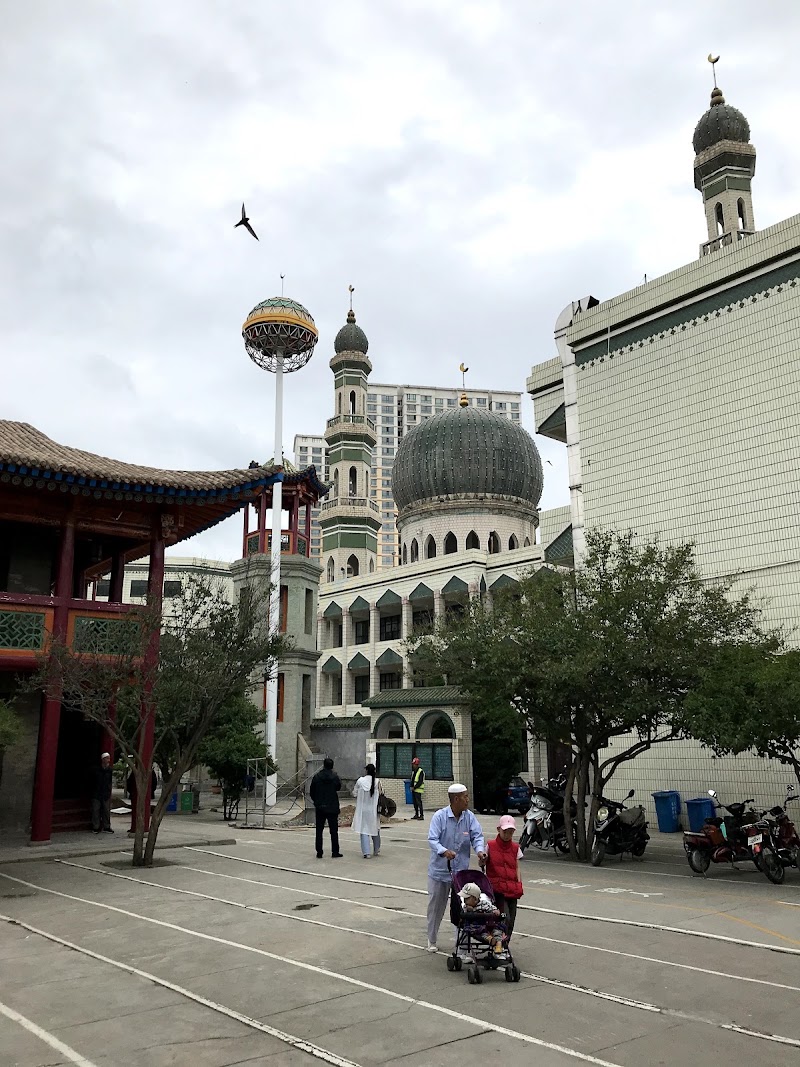
Xining
The necessary gateway for acclimatizing, arranging a driver and eating Qinghai’s best Hui and Tibetan-influenced food. Use it for Kumbum (Ta’er) Monastery, 25–30 km southwest, rather than treating the city itself as a long stay.
first-timersfoodiestravelers without a private carslow acclimatizers
Explore Xining 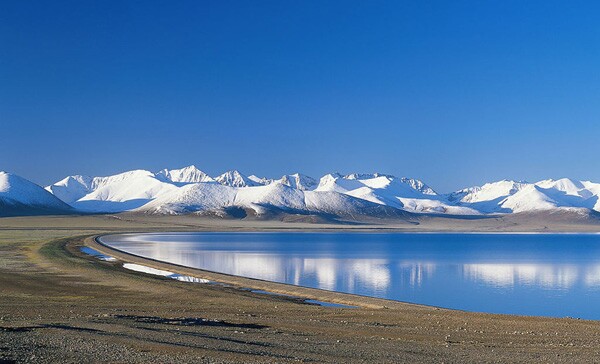 2
2Qinghai Lake
Base · 1–2 days
Base the lake experience around Erlangjian on the southeast shore for formal access and Heimahe on the southwest shore for an overnight before Chaka. Go for the immense scale, pastureland and shifting light—not for a neatly packaged single attraction.
first-timersphotographersroad-trippers
 3
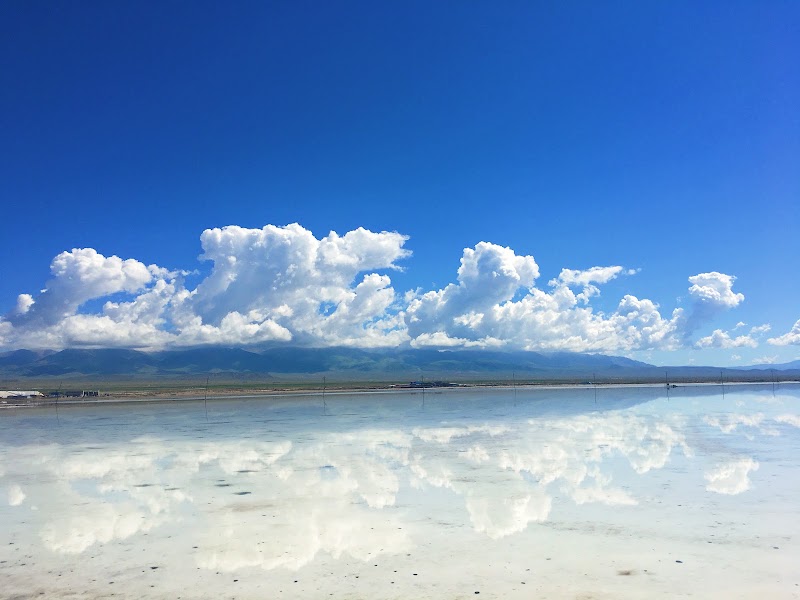
3Chaka Salt Lake
Base · 1–3 days
A white salt-crust landscape west of the lake, with shallow water that can produce the classic mirror effect in the right light. It is overtly managed and crowded, but still earns its place on a first loop if you book entry and allow time for weather.
first-timersphotographersiconic-landscape seekers
 4
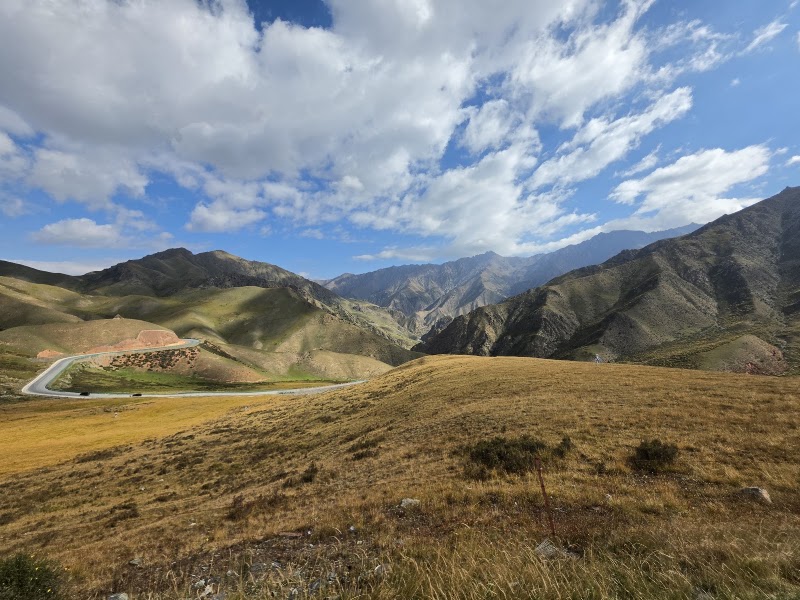
4Menyuan and the Qilian Mountains
Base · 3 days
Northern Qinghai’s strongest mountain-and-meadow country: broad valleys, high grasslands, snow peaks and summer rapeseed fields. Stay in Qilian town rather than attempting this as a rushed detour from Xining.
summer travelersphotographersroad-trippers
 5
5Tongren (Rebkong)
Base · 3 days
The best cultural counterweight to the lake loop, with thangka-painting traditions, village monasteries and a more lived-in Tibetan setting than a quick monastery visit near Xining. Give it dedicated time instead of forcing it into a northern road circuit.
culture-first travelersart loverssecond-time visitors
 6
6Guide and Kanbula
Short stop · 1 day
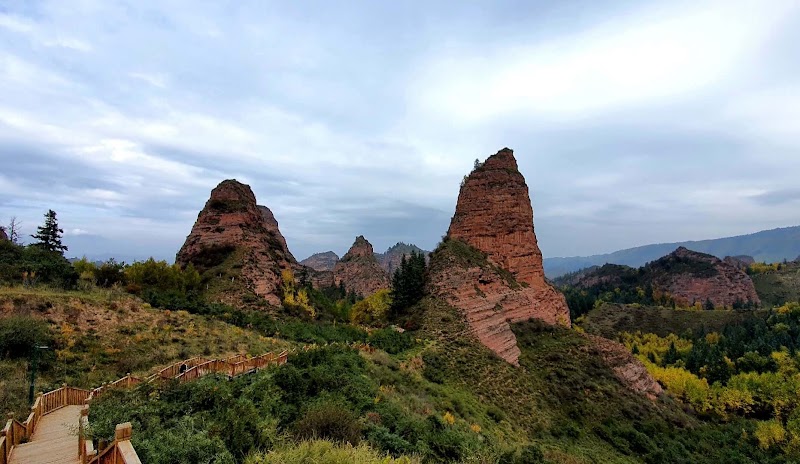
A markedly different Qinghai of Yellow River valleys, red sandstone cliffs and reservoir scenery south of Xining. Kanbula needs a full day by car; internal transfers make it a poor half-day add-on.
geology loverslandscape photographerstravelers with a spare day from Xining
 7
7Qaidam Basin
Base · 4–5 days
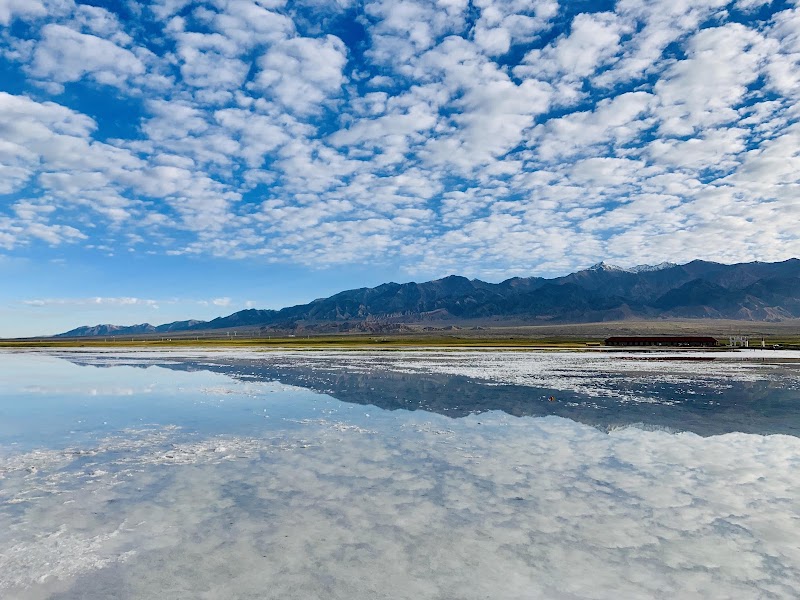
Western Qinghai’s real deep cut: salt deserts, multicolored lakes, Yardang formations and long, empty highways, with Delingha and Dachaidan serving as functional overnight stops. This needs its own vehicle-based extension, not an optimistic day trip from Chaka.
second-time visitorsphotographersself-drive groups
 8
8Golmud and the Kunlun Corridor
Base · 4 days
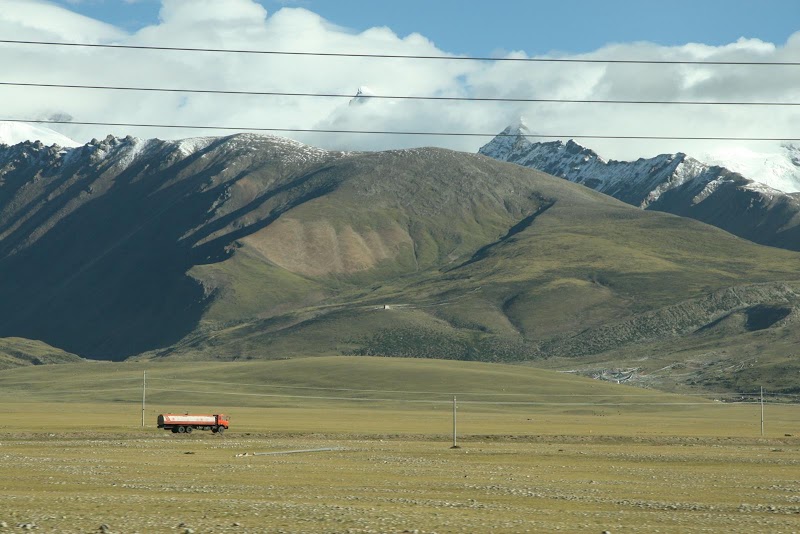
Golmud is the western rail and road outpost for the Qinghai–Tibet corridor, useful for travelers drawn to serious plateau scale and the approach to Kunlun and Hoh Xil. Treat Hoh Xil as a tightly controlled, high-altitude corridor experience, not an independent wildlife excursion.
rail enthusiastsspecialist travelerswildlife-minded travelers
 9
9Yushu (Jyekundo) and Sanjiangyuan
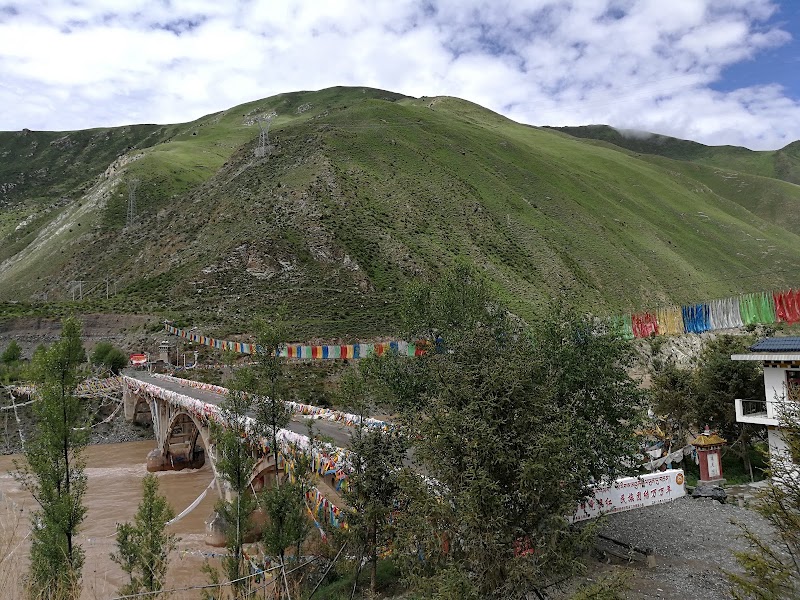
A far-southern Tibetan plateau base for travelers interested in the river-headwaters country and a culturally distinct side of Qinghai. It works best as a separate trip, usually reached by flight, rather than an overland extension of Qinghai Lake.
dedicated second tripsTibetan-culture travelershigh-altitude travelers
Don't miss
1
塔尔寺
Kumbum (Ta'er) Monastery is Qinghai's essential Buddhist monument and one of the great Gelug institutions of the Tibetan world. Come for the dense compound of temples, prayer halls, pilgrims, butter sculptures, and murals—not simply a fast photo stop from Xining.
2
Qinghai Lake
China's largest salt lake is the landscape most closely associated with Qinghai: huge skies, grassland, distant mountains, and seasonal birdlife rather than a single monument. Treat it as a full-day or overnight road-trip destination, choosing one or two lakeshore access points instead of trying to circle it in a rushed day.
3
Chaka Salt Lake
The so-called "Mirror of the Sky" is Qinghai's most famous salt-flat experience, delivering reflective water, salt formations, and vast open horizons when conditions cooperate. It is highly photogenic but crowded and weather-dependent, so build it into a longer Qinghai Lake route rather than making it your only reason to cross the province.
4
Kanbula National Forest Park
Kanbula combines rust-red Danxia cliffs, reservoir water, and Tibetan cultural landscapes in a compact but dramatic road-trip stop. It offers a stronger sense of Qinghai's geological variety than Xining's museums, though it works best with private transport or a driver.
5
Zhuo'er Mountain
Above Qilian town, Zhuo'er Mountain gives the classic northeast-Qinghai view: broad green-and-gold valleys framed by snowier mountains and layered red rock. It is a scenic detour rather than an urban sight, ideal for travelers continuing toward the Qilian Mountains or Gansu's Hexi Corridor.
6
Qilian Mountains
The Qilian range supplies Qinghai's high-country payoff: alpine pasture, glacier-fed valleys, Tibetan and Mongol pastoral culture, and dramatic road scenery. It is best approached as a multi-day route around Qilian rather than a single pin on a map, with Zhuo'er Mountain as the easiest headline stop.
Getting your bearings
Numbers match the places above; small dots are the headline sights.
The mental map
Treat Qinghai as three distinct travel zones. The east and southeast—Xining, Kumbum, Tongren/Rebkong and Yellow River country—is the cultural, food and short-trip side; the north and northwest is the Qinghai Lake–Menyuan–Qilian circuit of grassland and mountain scenery. The west—Chaka, Delingha, Dachaidan, Golmud and the Qaidam Basin—is vast salt-desert country that needs a vehicle, extra days and patience with basic logistics.
When to go
June through mid-October is the real window: June for quieter roads, July–August for the greenest grasslands and rapeseed but the highest prices, and September to mid-October for clear light and fewer people. First-timers should usually choose June or September; July–August works well if you reserve lake lodging and a vehicle early. Winter is for deliberate, weather-tolerant travelers, not a cheap substitute for the classic lake trip.
Pacing a visit
Start with at least one night in Xining at roughly 2,200–2,300m to acclimatize, then commit to one 4–6 day road loop rather than treating Xining as a day-trip base for the whole province. A compact first trip covers Xining/Kumbum, Qinghai Lake and Chaka; add Qilian or Tongren only with more time. Qaidam is a separate 3–5-day extension, not a casual detour.
Book before you land
Chaka Salt Lake timed entry, especially May–October, weekends and July–August school-holiday dates. · Qinghai–Tibet Railway sleeper tickets for Xining–Golmud and onward Tibet-bound journeys, if this is part of the trip.
Getting in
XNNXining Caojiabao International Airport
The main gateway for almost every first visit, with domestic links via major Chinese hubs and limited international connectivity. Use it for Xining, Kumbum, Qinghai Lake, Chaka and northern-loop driver pickups.
Flights and transfers into XiningXining Railway Station
The best overland arrival point from Lanzhou, Xi'an, Beijing and other Chinese cities. High-speed rail makes Lanzhou a practical air-and-rail gateway; it is usually easier than trying to fly directly into every part of Qinghai.
Flights and transfers into XiningLHWLanzhou Zhongchuan International Airport
A useful alternative when Xining flights are expensive or full. From Lanzhou, take high-speed rail to Xining, then start the road trip; do not treat Lanzhou as a day-trip base for Qinghai Lake.
Flights and transfers into LanzhouGOQGolmud Airport
Useful only for a western Qinghai/Qaidam or Qinghai–Tibet rail itinerary. It bypasses Xining but is not a substitute for it if you want Kumbum, Qinghai Lake and Chaka.
YUSYushu Batang Airport
The realistic entry for a dedicated Yushu/Sanjiangyuan trip. Yushu is a separate high-altitude commitment, not an efficient add-on to the standard Xining–lake circuit.
Before you go
Questions worth settling
How many days do I need for a first trip to Qinghai?
Allow 4–6 days for a compact first road loop: one acclimatization night in Xining, Kumbum (Ta’er) Monastery, Qinghai Lake with an overnight in Heimahe, and Chaka Salt Lake. Add Qilian or Tongren (Rebkong) only if you have extra time; the Qaidam Basin needs a separate 3–5-day extension.
Where should I base myself: Xining or Qinghai Lake?
Use Xining for your first night, airport or rail arrival, food, Kumbum and arranging a driver—but not as a base for the whole province. Sleep in loop towns such as Heimahe for Qinghai Lake, Chaka for the salt lake, and Qilian town for the northern mountains rather than attempting long day trips from Xining.
Which places fit together on one itinerary?
The most logical first-time combination is Xining/Kumbum, Qinghai Lake and Chaka Salt Lake. Menyuan and the Qilian Mountains can extend that northern road circuit, while Tongren (Rebkong) is better given dedicated cultural time; Qaidam, Golmud and Yushu are separate longer trips.
Do I need a Chinese visa to visit Qinghai?
It depends on your passport: some European and selected other nationalities currently have short visa-free arrangements, while US, Canadian and many other visitors generally need a Chinese visa in advance. Confirm the current rule with an official Chinese consulate before booking, and do not assume the 240-hour transit-without-visa scheme covers a Qinghai route.
Can I travel around Qinghai independently without a car?
Rail is excellent for reaching Xining and continuing toward Golmud, but it does not cover the lake-country sights efficiently. For Qinghai Lake, Chaka, Menyuan, Qilian and Qaidam, most visitors should hire a licensed car and driver or join a small tour; an International Driving Permit is not valid for driving in mainland China.
When is the best time to visit Qinghai Lake and Chaka Salt Lake?
June through mid-October is the main season, with June and September usually the best balance of workable roads, lower crowds and strong scenery. July–August brings the greenest grasslands and rapeseed around Menyuan, but it is also the busiest and most expensive period; winter is only for deliberately weather-tolerant travelers.
What should I book ahead?
Book Chaka Salt Lake timed entry ahead, especially from May to October and during July–August weekends and school holidays. In peak summer, reserve your driver and rooms around Heimahe, Chaka and Qilian early; also book Qinghai–Tibet Railway sleepers in advance if traveling from Xining toward Golmud or Tibet.
Is altitude a serious issue on the standard Qinghai Lake route?
Yes: start with a night in Xining at roughly 2,200–2,300m, then expect Qinghai Lake and Chaka overnight stops around 3,000m or higher. Rest, hydrate, eat lightly and avoid treating canned oxygen as a substitute for acclimatization or medical advice.
Known for
- Qinghai Lake, China’s largest inland saltwater lake
- Chaka Salt Lake and its reflective salt-flat landscapes
- Kumbum (Ta’er) Monastery near Xining
- Qilian Mountains, alpine grasslands and summer rapeseed fields
- The desert-and-salt-flat landscapes of the Qaidam Basin
- Hui Muslim food culture, Tibetan monasteries and plateau dairy cuisine