
- Pace
- Give a first Andean trip at least 6–8 days: base in Bariloche for Nahuel Huapi and nearby lake days, then spend separate nights in El Bolsón if hiking matters. A coast-first trip needs roughly a week with a car, using separate bases around Viedma and Las Grutas rather than commuting between them. Combining Bariloche with the coast is a genuine multi-stop journey: Bariloche–Viedma is about 844 km and Bariloche–Las Grutas about 896 km by road; the Patagonian Train is scenic but slow, not local transport.
- When to go
- December–February is the broadest all-round window: mountain hiking and lakes in the Andes, beach weather on the Atlantic and long Bariloche days—but January and early February are expensive and crowded. March–April is the best-value Andean compromise for quieter trails, autumn color and Alto Valle wine/fruit, while June–August is for skiing rather than general touring. September–November suits flexible travelers after wildlife and lower-level walks, but expect wind, lingering snow and unreliable mountain operations.
- Daily budget
- ARS 175,000–315,000 / US$125–225
Río Negro is Patagonia in cross-section rather than one tidy destination: Bariloche’s forested Andes, glacier-fed lakes and ski slopes sit at one end; dry, sparsely serviced steppe fills the middle; irrigated fruit-and-wine valleys occupy the north; and Atlantic beaches, estuaries and marine wildlife lie nearly 900 km away on the coast. Bariloche is the obvious first gateway, but it is only one version of the province.
Known for
- Bariloche, Nahuel Huapi National Park and the lake-and-mountain Andes
- Skiing at Cerro Catedral and winter snow trips
- El Bolsón’s hiking, artisan-food and craft-beer valley
- Las Grutas and the Gulf of San Matías’ warm summer beaches, seafood and wildlife
- Patagonian Train crossings between Bariloche and Viedma
- Alto Valle apples, pears, cider and cool-climate Pinot Noir
Where to go
 1
1Base · 1–5 days
San Carlos de Bariloche
The essential Andean base: use it for Nahuel Huapi lake trips, trail access, Cerro Tronador, breweries and the widest choice of hotels and buses. The center is commercial and crowded, but the scenery outside it earns the compromise.
first-timersfamiliescasual hikersskiers
Explore San Carlos de Bariloche 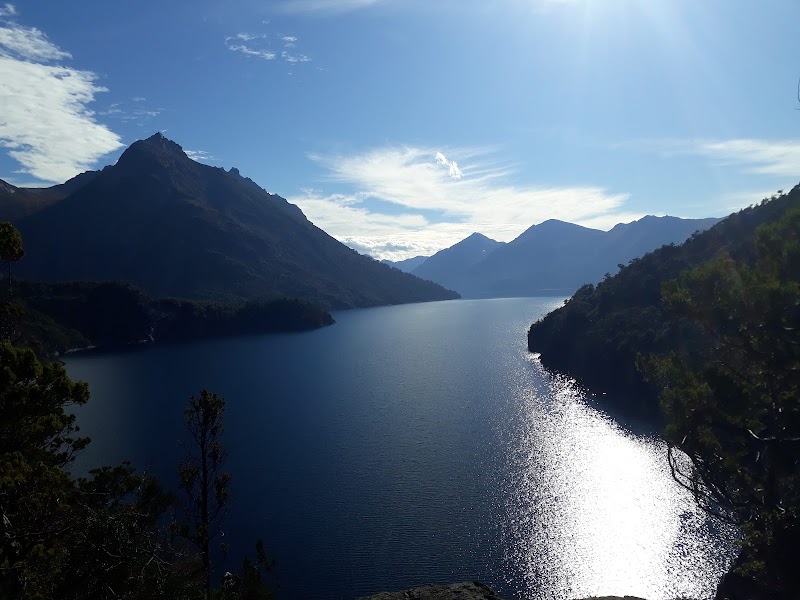 2
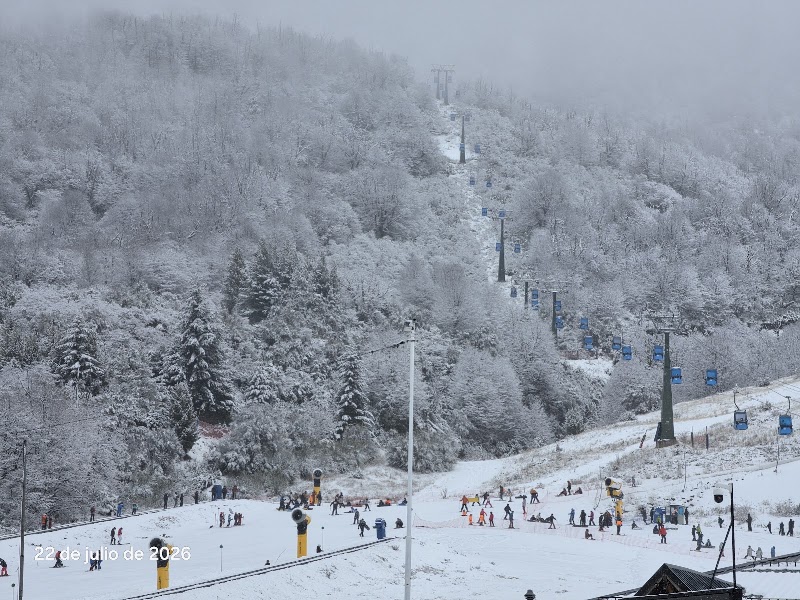
2Circuito Chico, Llao Llao and Colonia Suiza
Bariloche’s best easy scenic day: lake edges, forest, viewpoints, Puerto Pañuelo and a worthwhile stop in Colonia Suiza. It is popular for good reason, so go early rather than expecting solitude.
first-timersscenic driverscyclists
 3
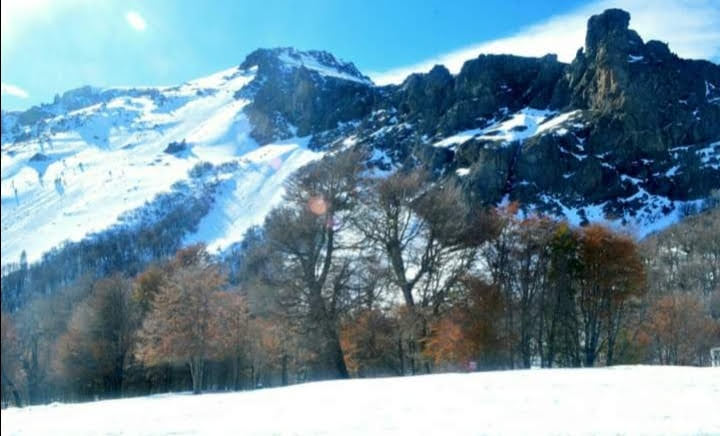
3Cerro Catedral and Villa Catedral
This is the province’s serious ski base and a practical full-day mountain outing from Bariloche. In winter it is busy and expensive; outside snow season, check lift operations before building a day around it.
skierssnowboardersfamilies
 4
4El Bolsón, Mallín Ahogado and Cerro Piltriquitrón
Base · 2–3 days
A slower, greener Andean base with better access to modest hikes, farm products, craft beer and the artisan market than to polished resort infrastructure. Stay at least two nights if you want it to feel like more than a rushed Bariloche side trip.
hikersbackpackersbeer drinkers
 5
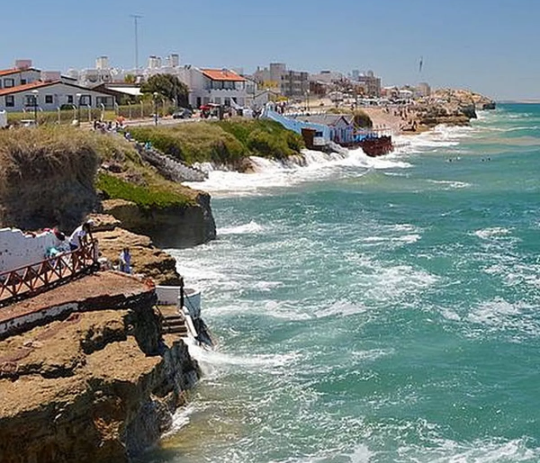
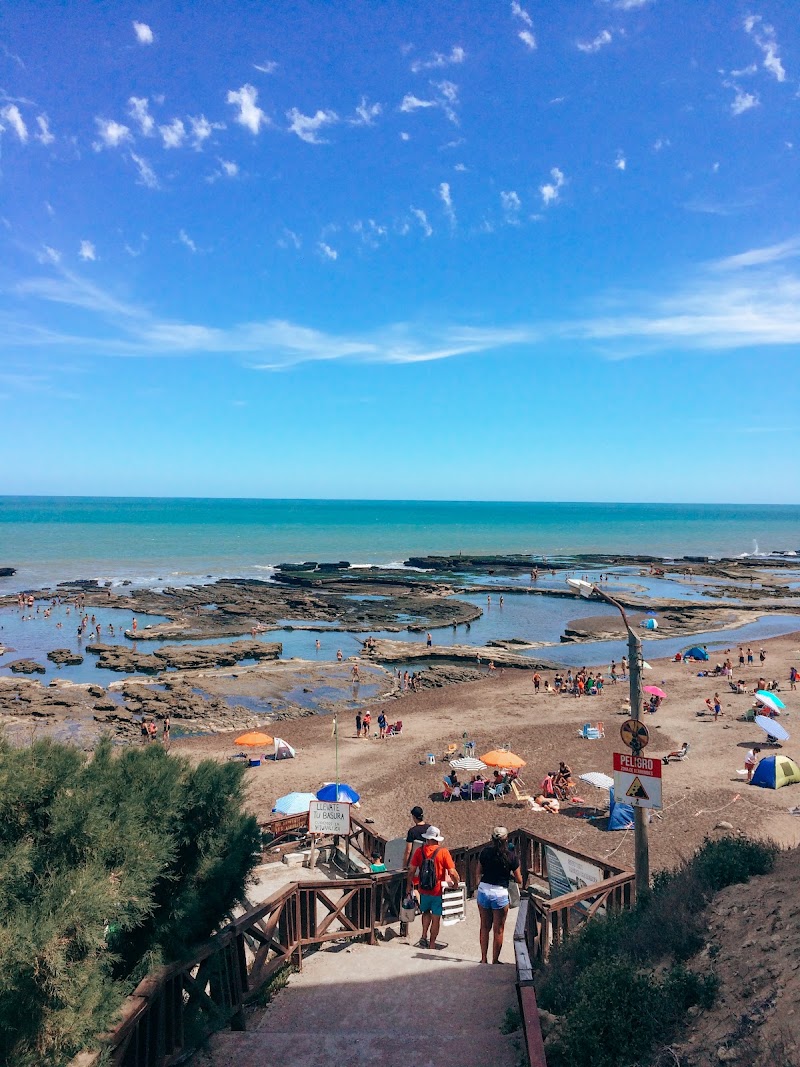
5Las Grutas, San Antonio Oeste and San Antonio Este
Base · 2–3 days
The province’s main warm-water beach and seafood stop, with tidal beaches, diving and boat trips for marine wildlife. Base in Las Grutas, then use San Antonio Oeste and Este as short outings rather than separate overnights.
beach travelersfamiliesdivers
 6
6Viedma, El Cóndor and La Lobería
Base · 2–3 days
A lower-key Atlantic base where a lived-in river city meets windy beaches, cliffs and sea-lion viewing. Choose it over Las Grutas if you prefer open coast and less resort noise.
independent driversbirderslow-key beach travelers
 7
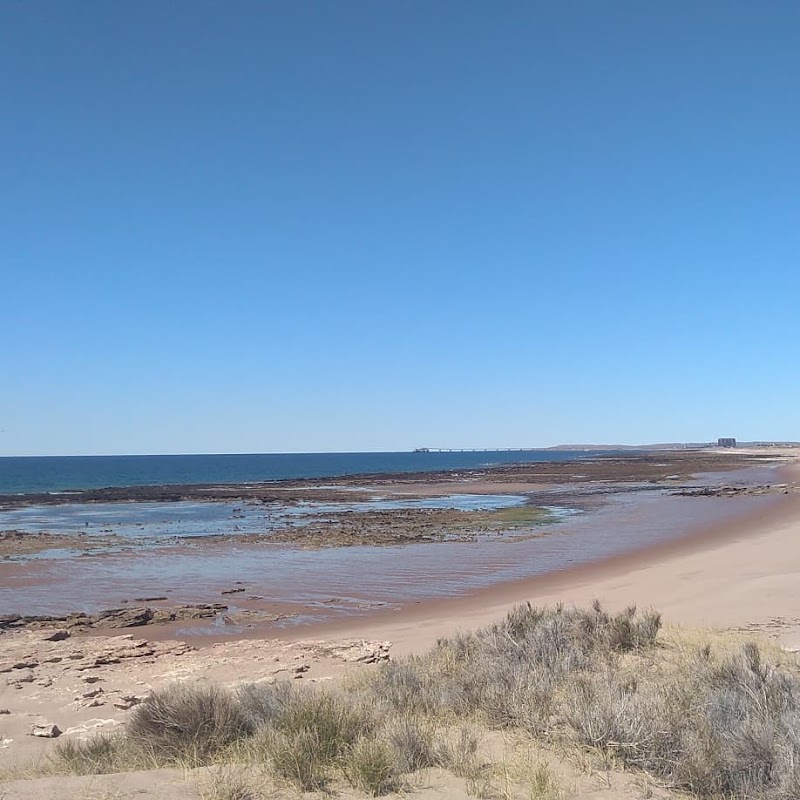
7Playas Doradas and Sierra Grande
Base · 2 days
A quieter, more exposed beach stop with long walks, fishing and wind sports rather than packed resort infrastructure. It works best with a car, supplies and tolerance for sparse services.
self-driverscamperscouples
 8
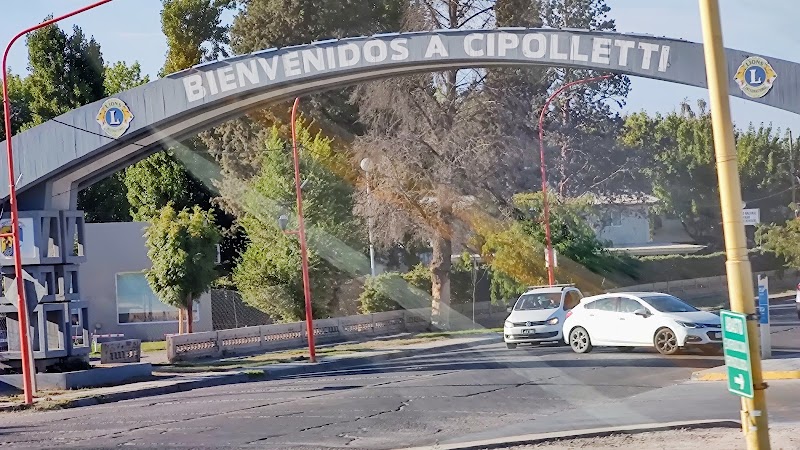
8Alto Valle: Cipolletti, General Roca, Villa Regina and Allen
Come for orchards, cider and credible Pinot Noir rather than postcard wine-country scenery. Winery visits need advance planning, and the towns are functional bases rather than destinations in themselves.
wine travelersfoodiesroad-trippers
 9
9Central Steppe: Valcheta, Ingeniero Jacobacci and the Patagonian Train corridor
Base · 2 days
The slow, stark interior crossing between the Andes and the Atlantic, best understood by train or a deliberately paced road trip. It is rewarding for the landscape and rail journey, not for dense sightseeing or easy backup options.
train travelersphotographersslow travelers
Don't miss
1
Nahuel Huapi National ParkRío Negro Province
The lake-and-Andes landscape around Bariloche is the central visual experience of northern Patagonia, and this vast park is the framework for it. Do not try to ‘see the park’ in one outing: use it for one scenic drive, boat trip, or hike matched to the weather.
2
Cerro CatedralRío Negro Province
Bariloche’s signature mountain is a major ski center in winter and an accessible high-elevation viewpoint in the warmer months. It is worth doing for the lift-assisted views or a hike, but choose a clear day rather than treating it as an all-weather obligation.
3
Cerro TronadorRío Negro Province
The glacier-clad massif and the thundering sounds of moving ice provide the most dramatic day trip from Bariloche. The long approach road makes this an all-day commitment, best for travelers who want scenery and short walks rather than another city excursion.
Getting your bearings
Numbers match the places above; small dots are the headline sights.
The mental map
Slice Río Negro into the Andean west, the empty central steppe, the northern Río Negro fruit-and-wine valley, and the Atlantic coast. For most first-timers, the useful choice is Andean—Bariloche with El Bolsón—or Atlantic—Las Grutas/San Antonio with Viedma–El Cóndor—not an attempt to collect every region. The steppe is a slow crossing for committed drivers and train travelers, while the Alto Valle is an agricultural and wine detour rather than the headline scenic trip.
When to go
December–February is the broadest all-round window: mountain hiking and lakes in the Andes, beach weather on the Atlantic and long Bariloche days—but January and early February are expensive and crowded. March–April is the best-value Andean compromise for quieter trails, autumn color and Alto Valle wine/fruit, while June–August is for skiing rather than general touring. September–November suits flexible travelers after wildlife and lower-level walks, but expect wind, lingering snow and unreliable mountain operations.
Pacing a visit
Give a first Andean trip at least 6–8 days: base in Bariloche for Nahuel Huapi and nearby lake days, then spend separate nights in El Bolsón if hiking matters. A coast-first trip needs roughly a week with a car, using separate bases around Viedma and Las Grutas rather than commuting between them. Combining Bariloche with the coast is a genuine multi-stop journey: Bariloche–Viedma is about 844 km and Bariloche–Las Grutas about 896 km by road; the Patagonian Train is scenic but slow, not local transport.
Book before you land
Patagonian Train (Tren Patagónico) between Viedma and Bariloche — limited departures and a timetable that can dictate the whole itinerary. · Cerro Catedral ski passes, lessons and rental equipment for July and Argentine winter-school-holiday periods. · Popular Bariloche lake excursions and refugio/overnight hiking accommodation in peak summer, especially January and February.
Getting in
BRCSan Carlos de Bariloche Airport
The default gateway for the Andean west: Bariloche, Nahuel Huapi, Cerro Catedral and El Bolsón. It has the most useful domestic links, usually via Buenos Aires, plus seasonal international connections; collect a rental car here if the trip includes El Bolsón or dispersed trailheads.
Flights and transfers into San Carlos de BarilocheVDMGobernador Castello Airport, Viedma
The sensible air gateway for Viedma, El Cóndor, La Lobería and the northern Atlantic coast. Flights are much thinner than Bariloche’s, so compare schedules with flying to Buenos Aires or Neuquén and driving.
Flights and transfers into ViedmaNQNPresidente Perón International Airport, Neuquén
A practical gateway for Alto Valle—Cipolletti, General Roca, wineries and orchards—and sometimes a useful fallback when Bariloche flights are expensive. It is not a shortcut to the Andean or Atlantic circuits.
Flights and transfers into NeuquénViedma rail station
The eastern terminus of the Patagonian Train to Bariloche. Use it only when the train itself is part of the trip: this is a long, schedule-led crossing of the steppe, not efficient regional transport.
Flights and transfers into Viedma
Where to stay
Hotels in Río Negro Province
Picked from San Carlos de Bariloche.
Add dates to see nightly prices.
2


Before you go
Questions worth settling
How many days do I need for Río Negro Province?
Allow 6–8 days for a first Andean trip, using Bariloche for Nahuel Huapi and lake days and staying separately in El Bolsón if hiking matters. A coast-first trip needs roughly a week with a car, based separately around Viedma and Las Grutas.
Should I choose Bariloche or the Atlantic coast for my first visit?
For a short first trip, choose one circuit: Bariloche with El Bolsón for lakes, mountains, hiking and skiing, or Las Grutas/San Antonio and Viedma–El Cóndor for beaches and marine wildlife. Do not treat the coast as a casual Bariloche add-on: Bariloche is about 844 km by road from Viedma and about 896 km from Las Grutas.
Where should I base myself, and which places are worth combining?
Base in San Carlos de Bariloche for Circuito Chico, Llao Llao, Nahuel Huapi and Cerro Catedral; add at least two nights in El Bolsón for Cerro Piltriquitrón, hikes and the artisan-food valley. On the coast, stay in Las Grutas for San Antonio Oeste and San Antonio Este, or in Viedma for El Cóndor and La Lobería; do not day-trip between Las Grutas and Viedma.
Do I need a car in Río Negro?
A car is strongly worthwhile for El Bolsón, the Atlantic coast, Alto Valle and dispersed Bariloche lake districts. Central Bariloche works with buses, taxis and tours, but public transport is not a practical way to criss-cross the province; carry fuel, water, food and offline maps for steppe drives.
Can I use the Patagonian Train to get around the province?
Use the Patagonian Train between Viedma and Bariloche only if the long steppe crossing is part of the experience. Its limited, schedule-led service is scenic but slow, so it should replace a transfer day rather than function as local transport.
When is the best time to visit Río Negro?
December through February is best for combining Andean hiking and lakes with Atlantic beaches, though January and early February are crowded and expensive. March–April is the quieter-value choice for Andean walks, autumn color and Alto Valle food and wine; June–August is primarily for skiing at Cerro Catedral, while spring requires flexibility for wind, snow and reduced mountain operations.
What should I book ahead?
Book the Patagonian Train early if it is central to your itinerary, as departures are limited. Reserve Cerro Catedral passes, lessons and equipment for July and school holidays, and book popular Bariloche lake excursions and refugio or overnight hiking accommodation for January and February; rental cars and accommodation also fill early in Bariloche and Las Grutas during peak holiday periods.
Do I need a visa to visit Argentina?
Entry rules depend on your passport: many visitors from South America, the EU, UK, US, Canada, Australia and New Zealand can generally enter visa-free for tourism, while some nationalities need a visa or prior authorization. Check Argentina’s official immigration or consular guidance before booking, as passport-validity and onward-travel requirements can change.
Known for
- Bariloche, Nahuel Huapi National Park and the lake-and-mountain Andes
- Skiing at Cerro Catedral and winter snow trips
- El Bolsón’s hiking, artisan-food and craft-beer valley
- Las Grutas and the Gulf of San Matías’ warm summer beaches, seafood and wildlife
- Patagonian Train crossings between Bariloche and Viedma
- Alto Valle apples, pears, cider and cool-climate Pinot Noir